
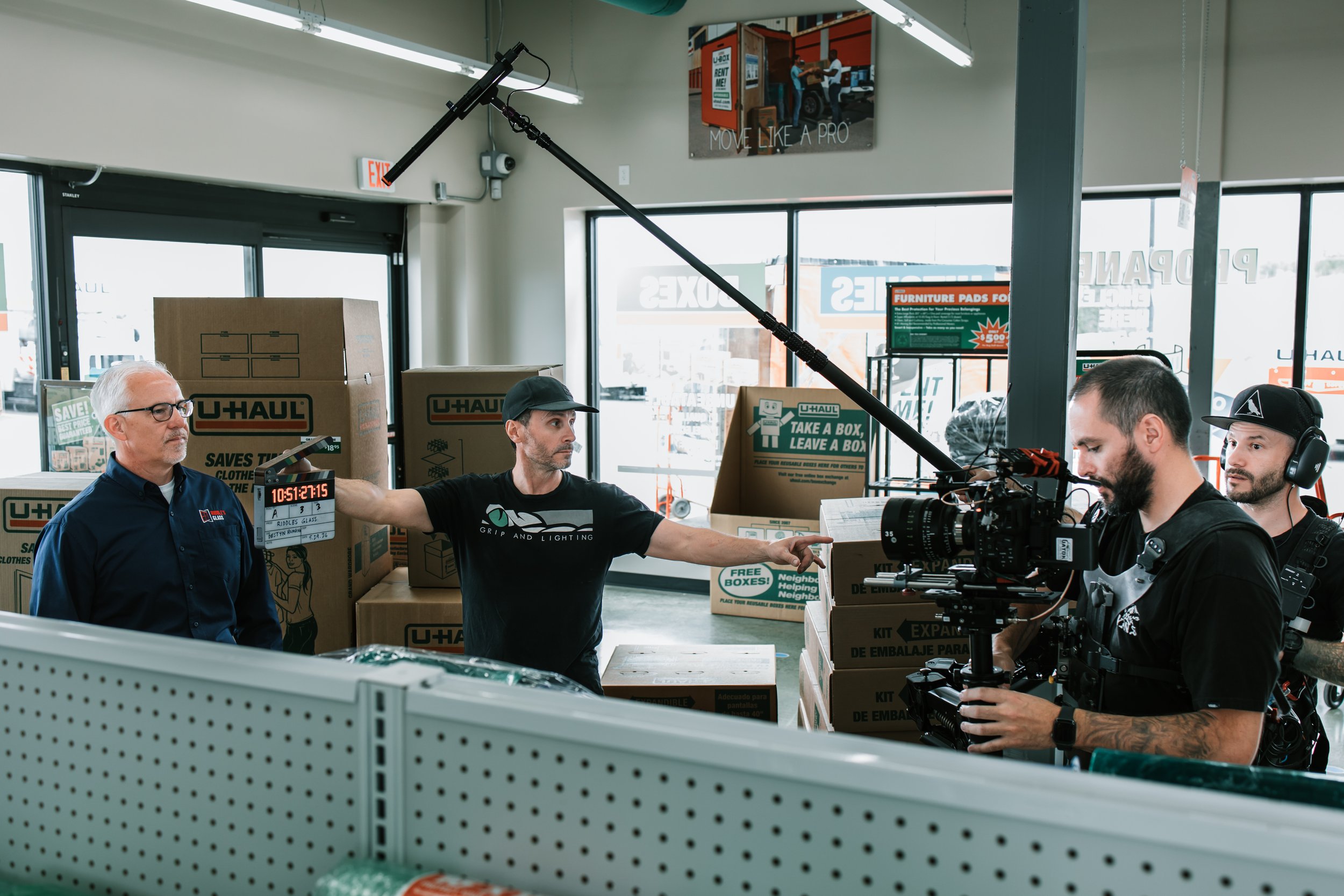
Whether you have an upcoming production scheduled with us or you're simply considering video for your business, we created this guide to help you understand what a typical production day looks like and what you can expect when you step onto set.
One of the biggest misconceptions about professional video production is that we simply show up, turn on a camera, and start filming.
The reality is that a great video takes planning, preparation, time, and a lot of attention to detail. The more we can control during production, the more options we have in the edit and the better the final product can be.
Here's what you can expect.
Pre-Production Sets the Stage
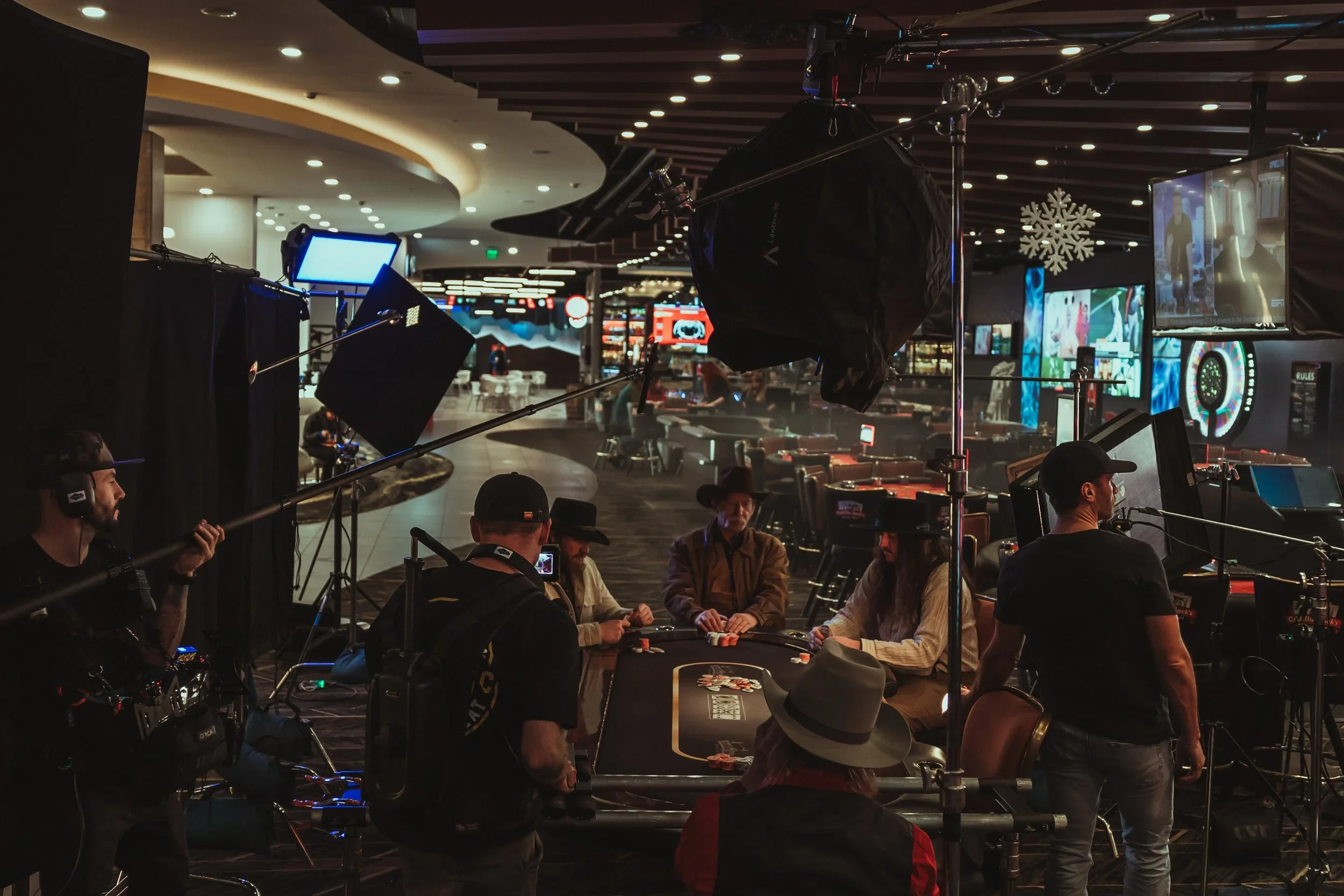
A successful production day starts well before anyone arrives on location.
Before we ever show up with cameras, we work through the creative direction, schedule, locations, shot lists, interviews, logistics, equipment, crew, and other details that need to be considered.
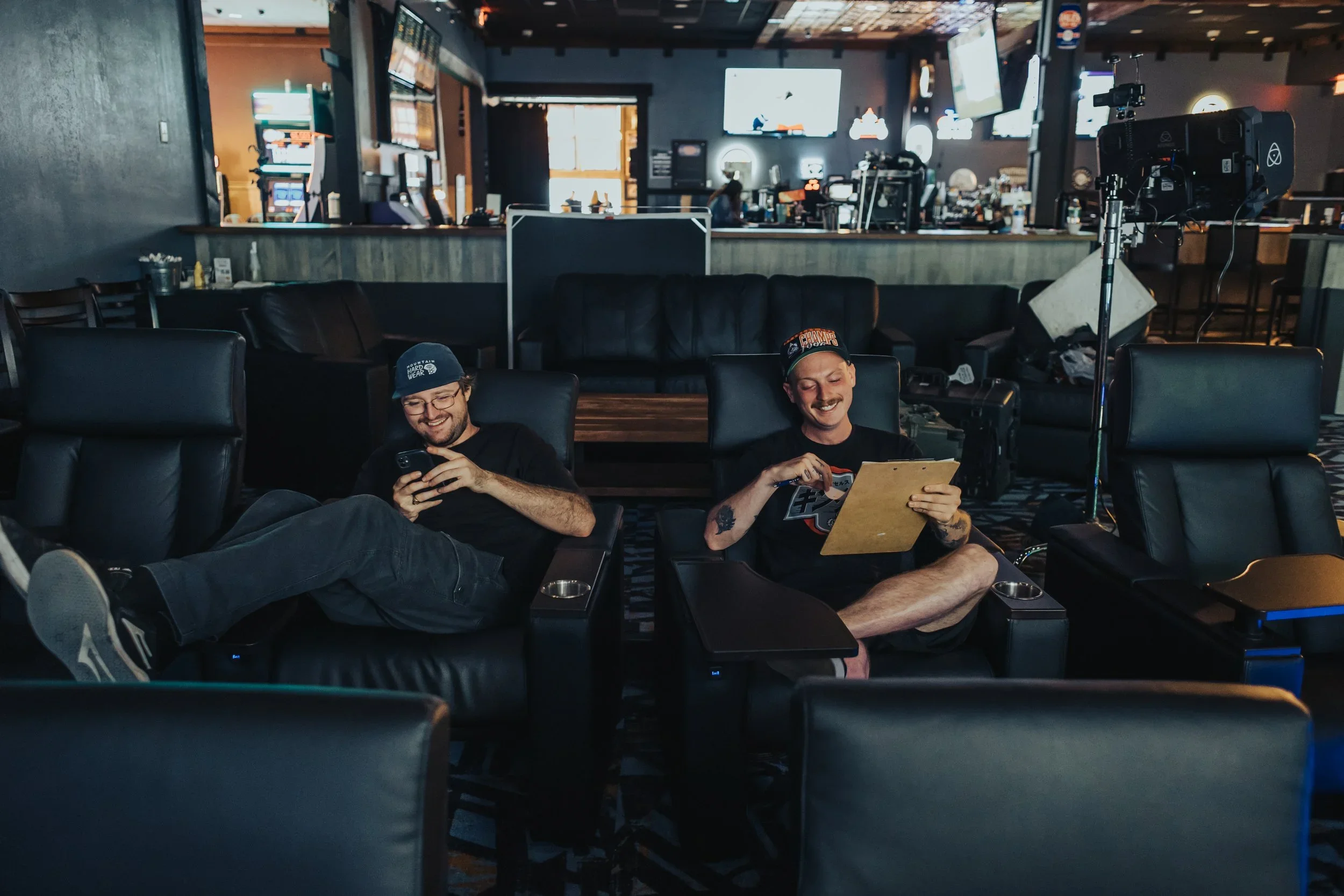
This planning allows us to make the most of our time on set.
It also means that when something unexpected happens, we're better prepared to adapt without sacrificing the overall vision of the project.
The goal isn't simply to get enough footage. It's to make sure we're getting the right footage.
Set-Up Takes Time
We don't just show up with a camera and start shooting.
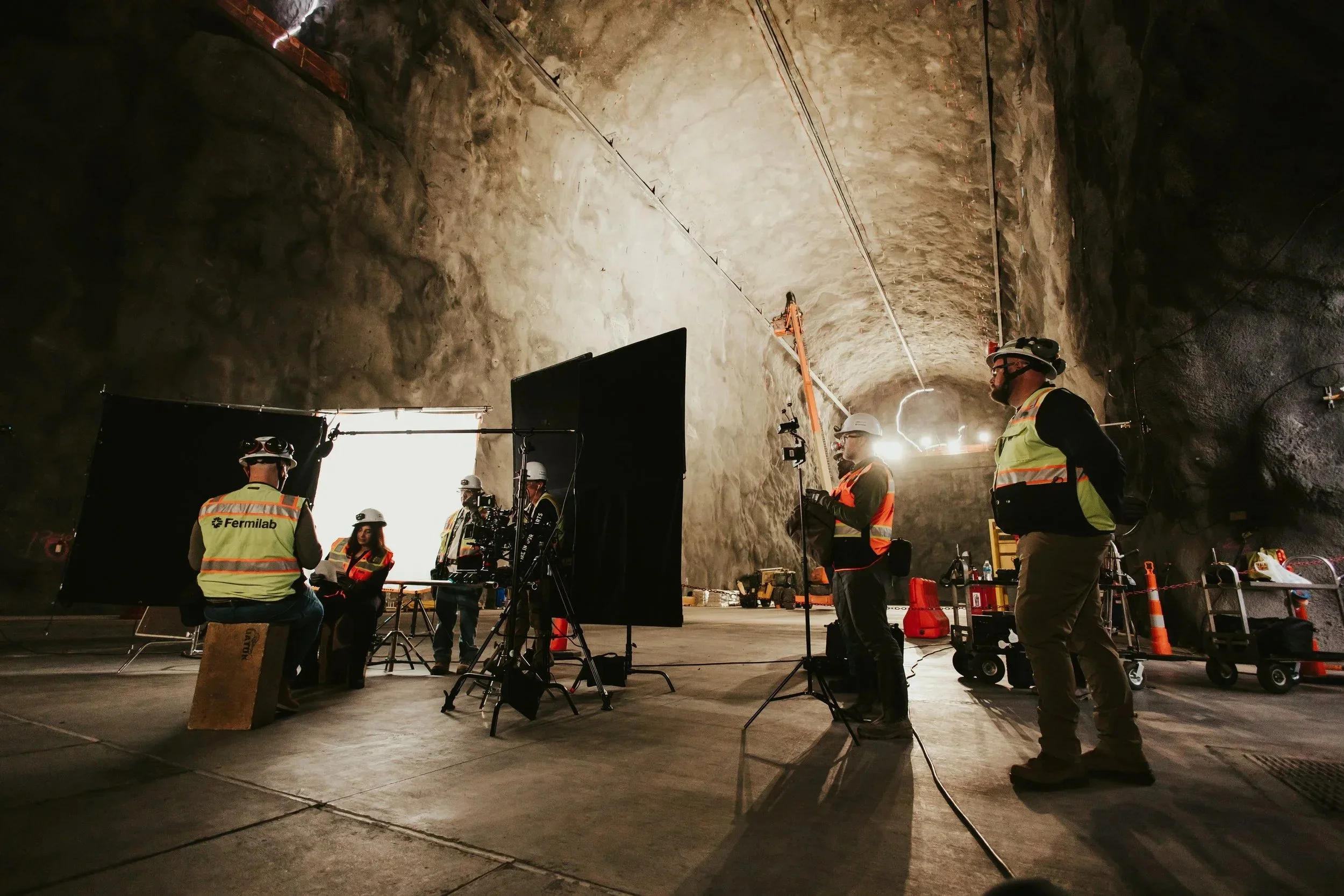
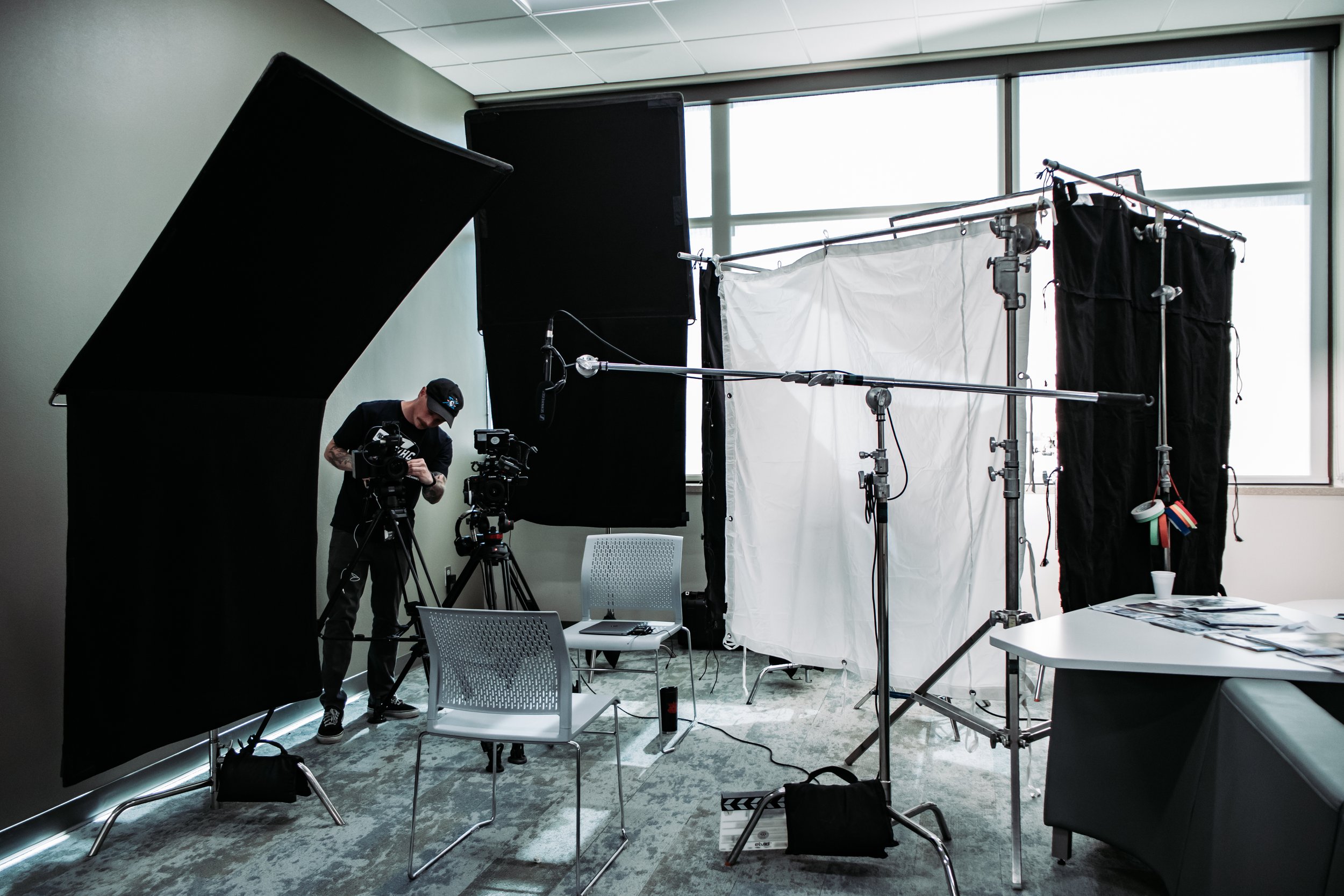
Depending on the production, location, crew size, and complexity of the scene, set-up can typically take 1–2 hours or more.
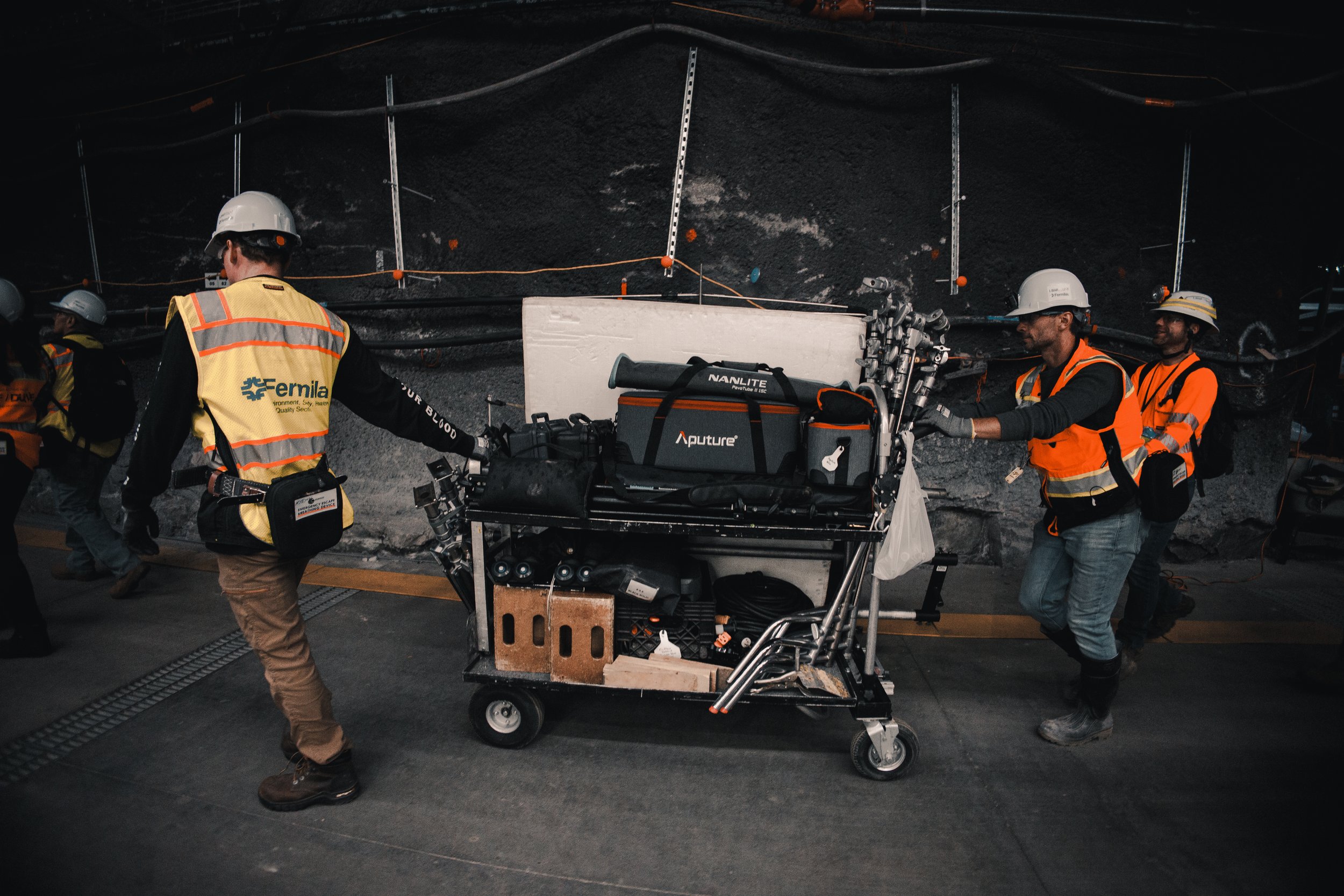
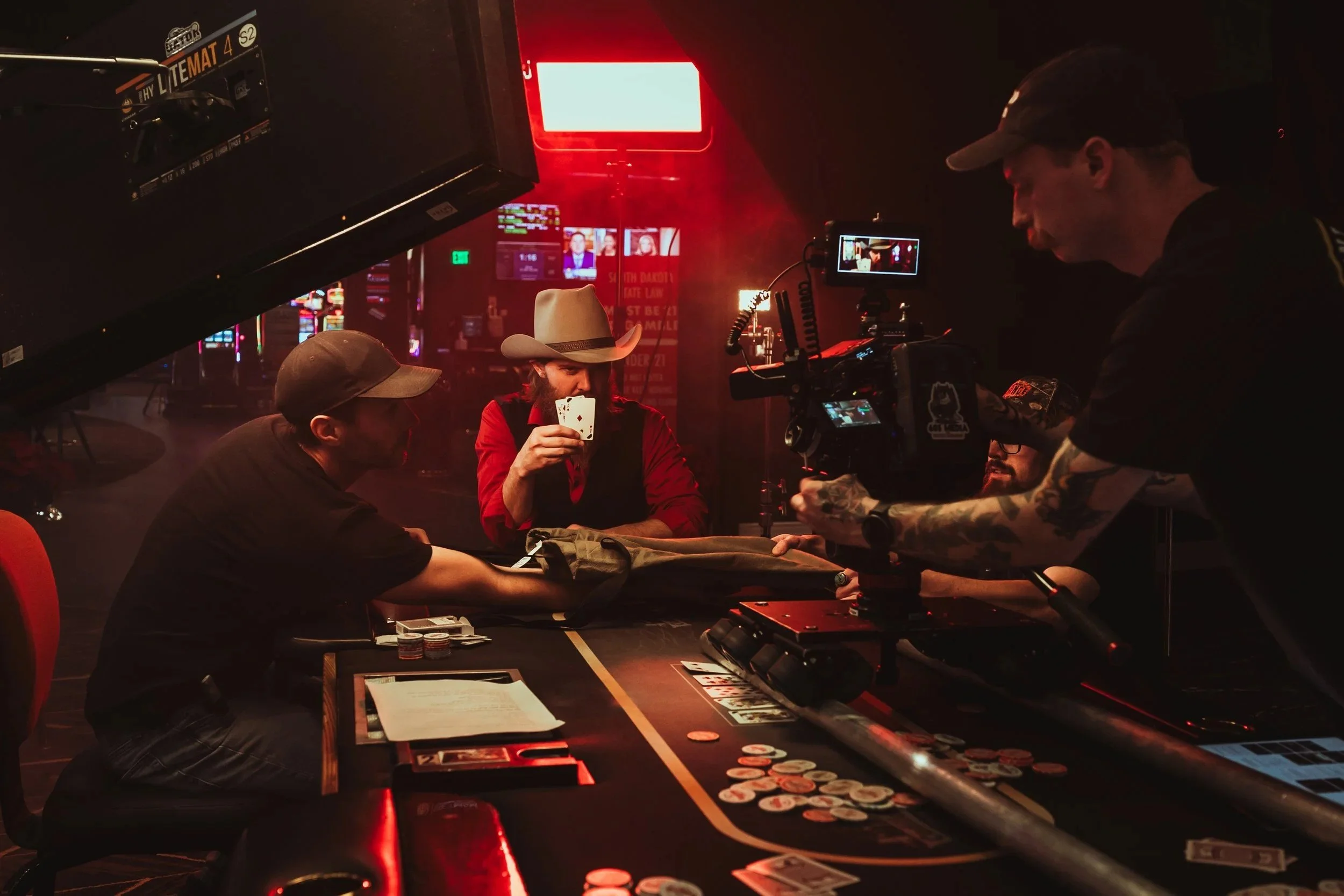
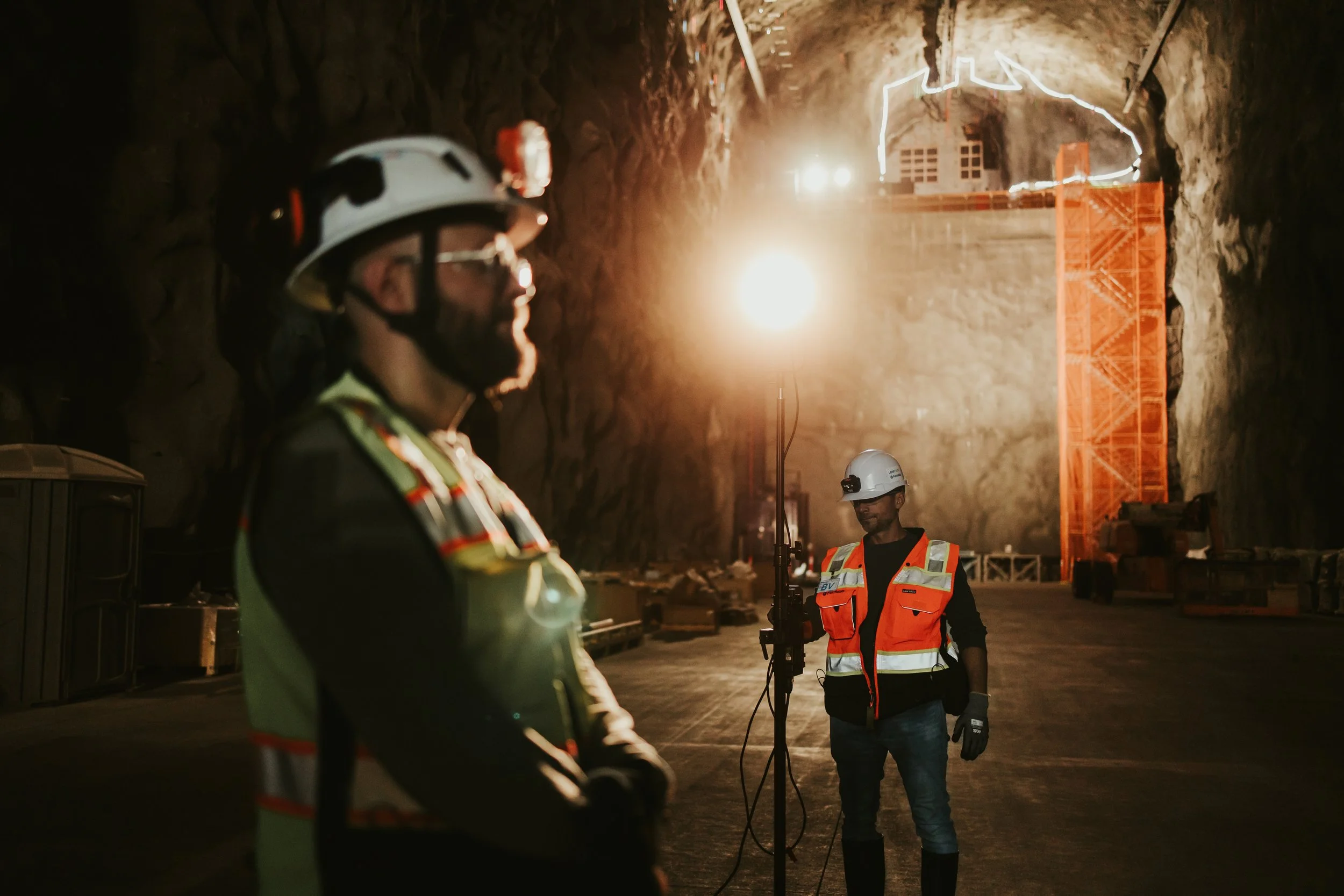
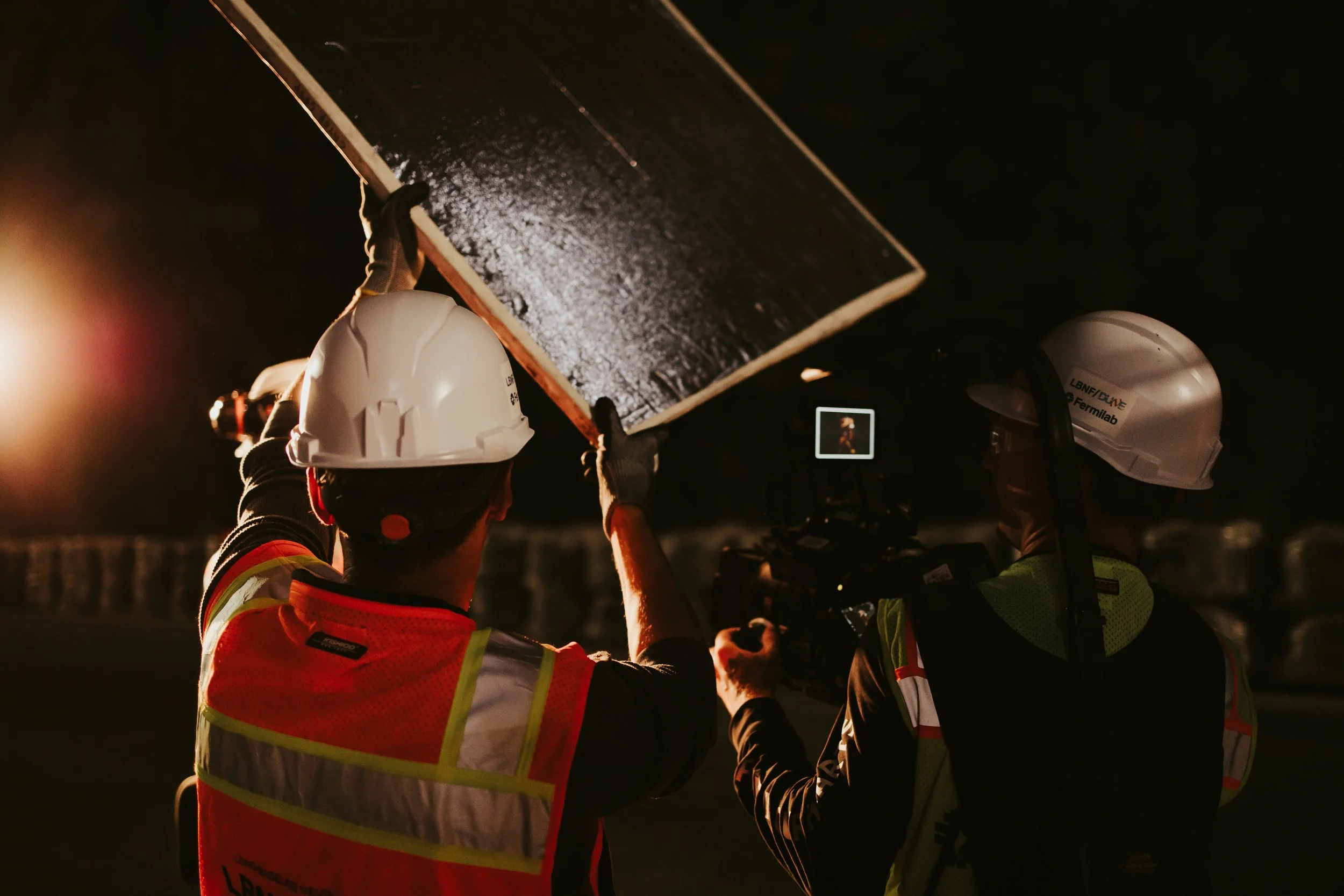
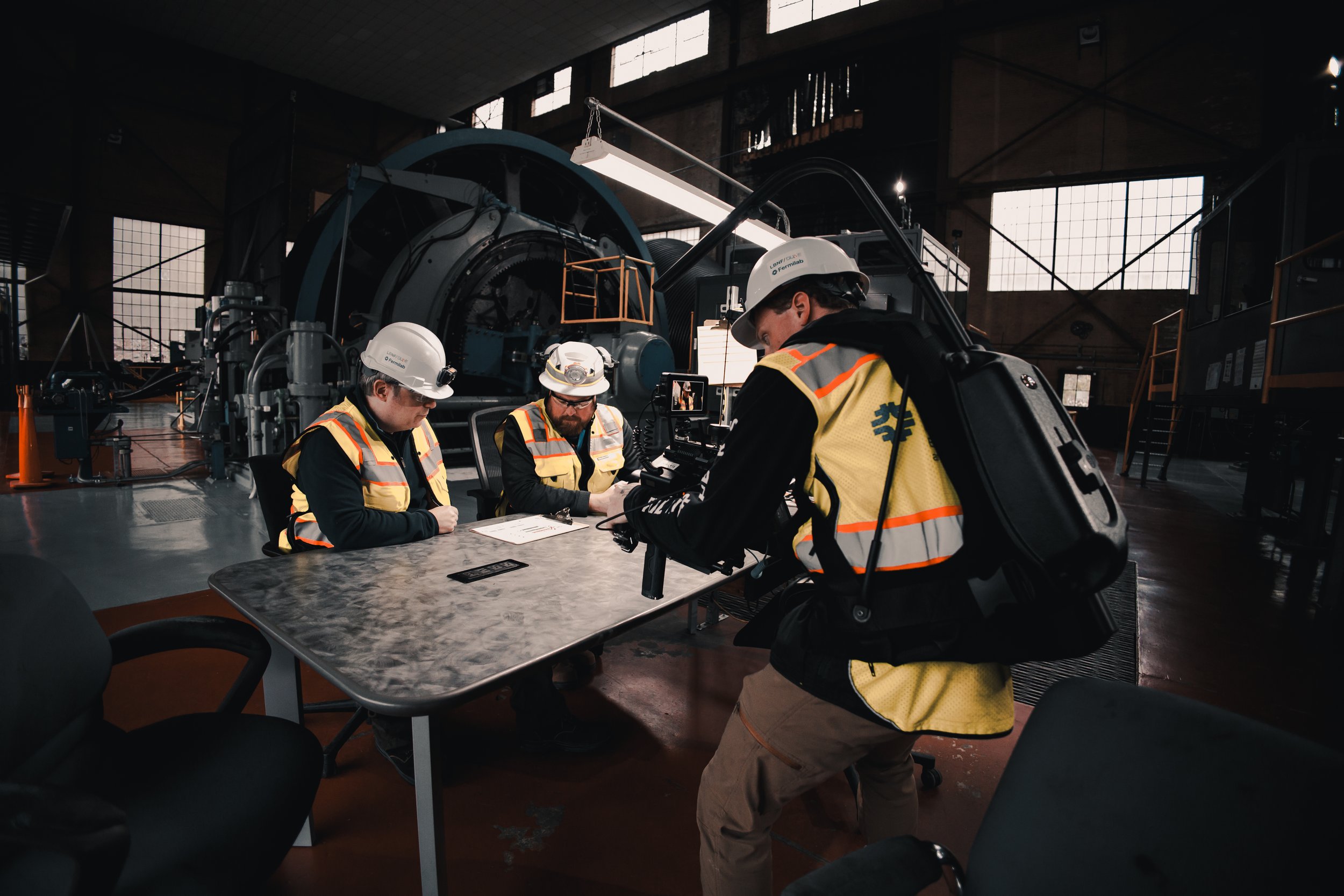
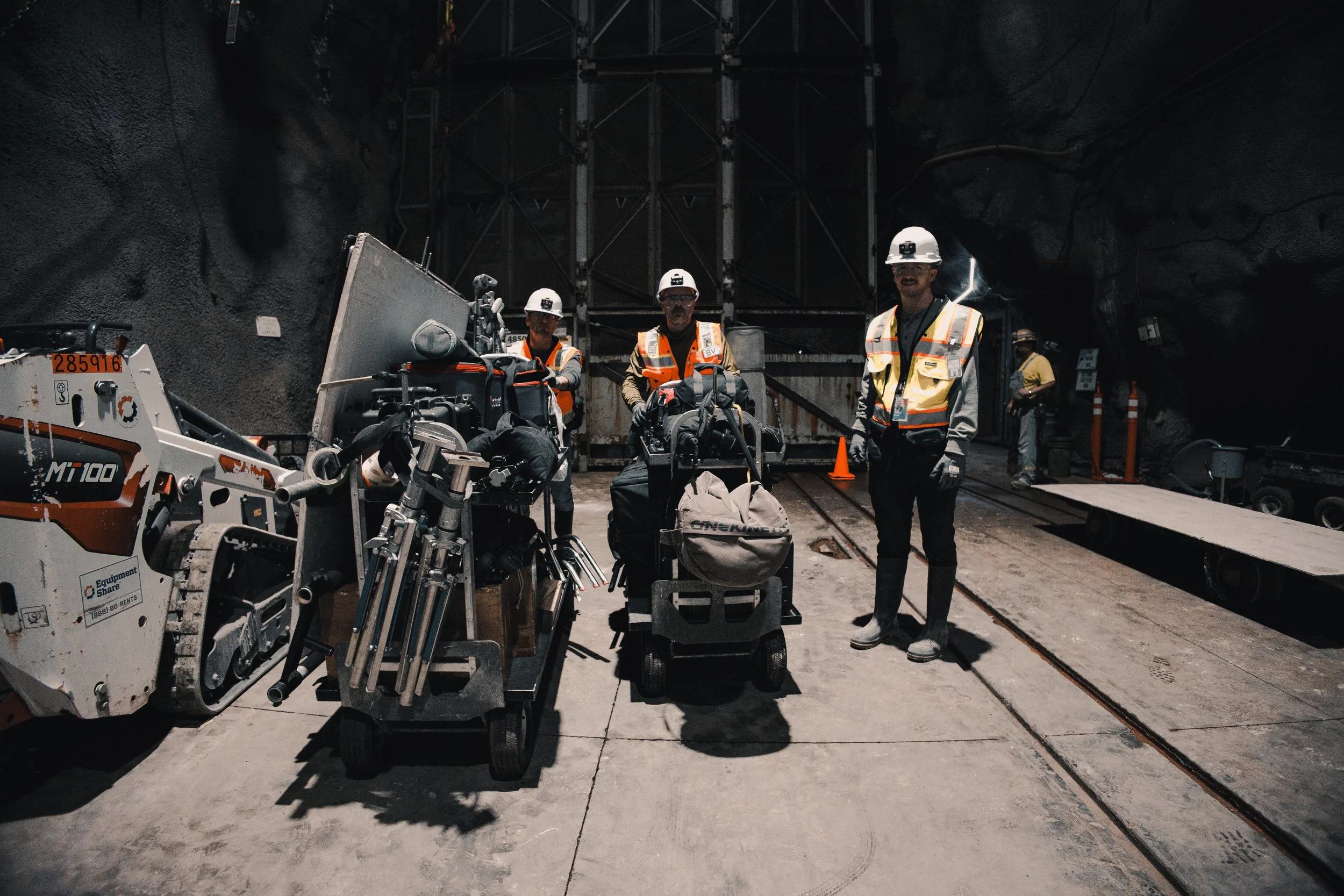
If your production includes a lighting package with a gaffer or a full grip and electric (G&E) team, we may arrive with a van or even a 3-ton truck full of lighting equipment, stands, grip equipment, cables, modifiers, and other production gear.
That equipment isn't there just to make the shoot look impressive. It allows us to control the image and create a consistent, intentional look.
Set-up is also when we make sure everything is working properly before we start filming.
That can include:
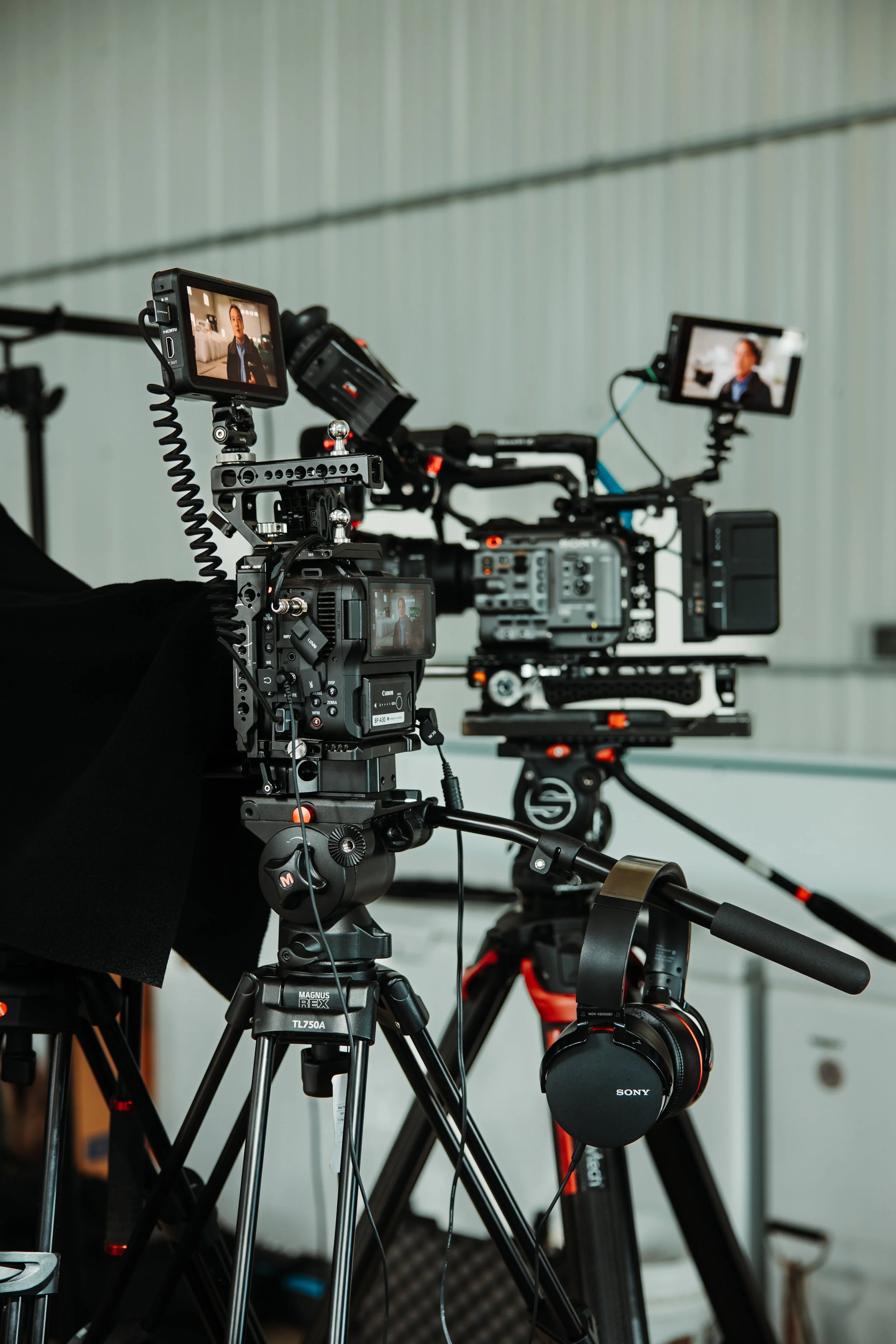
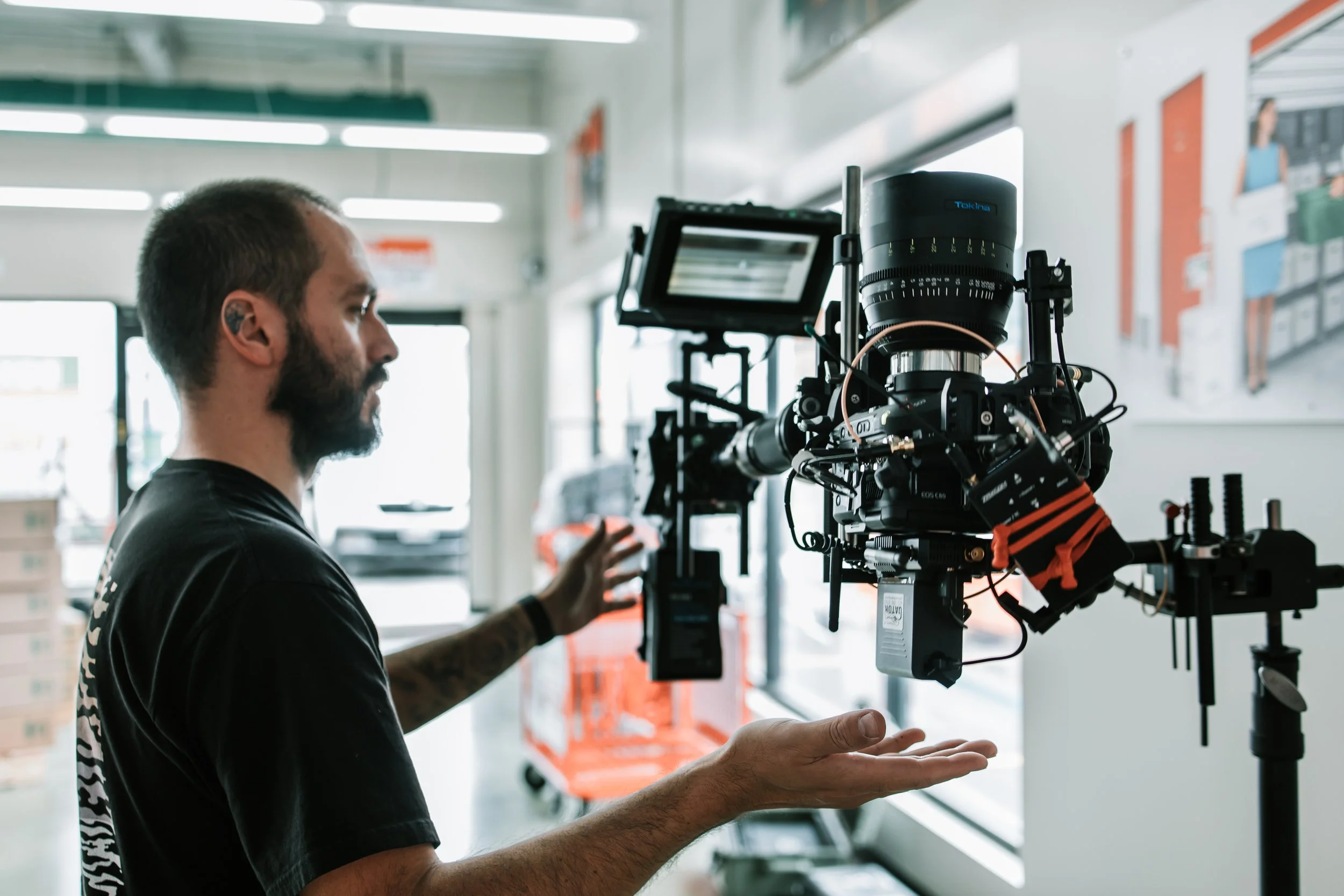
Building and positioning cameras
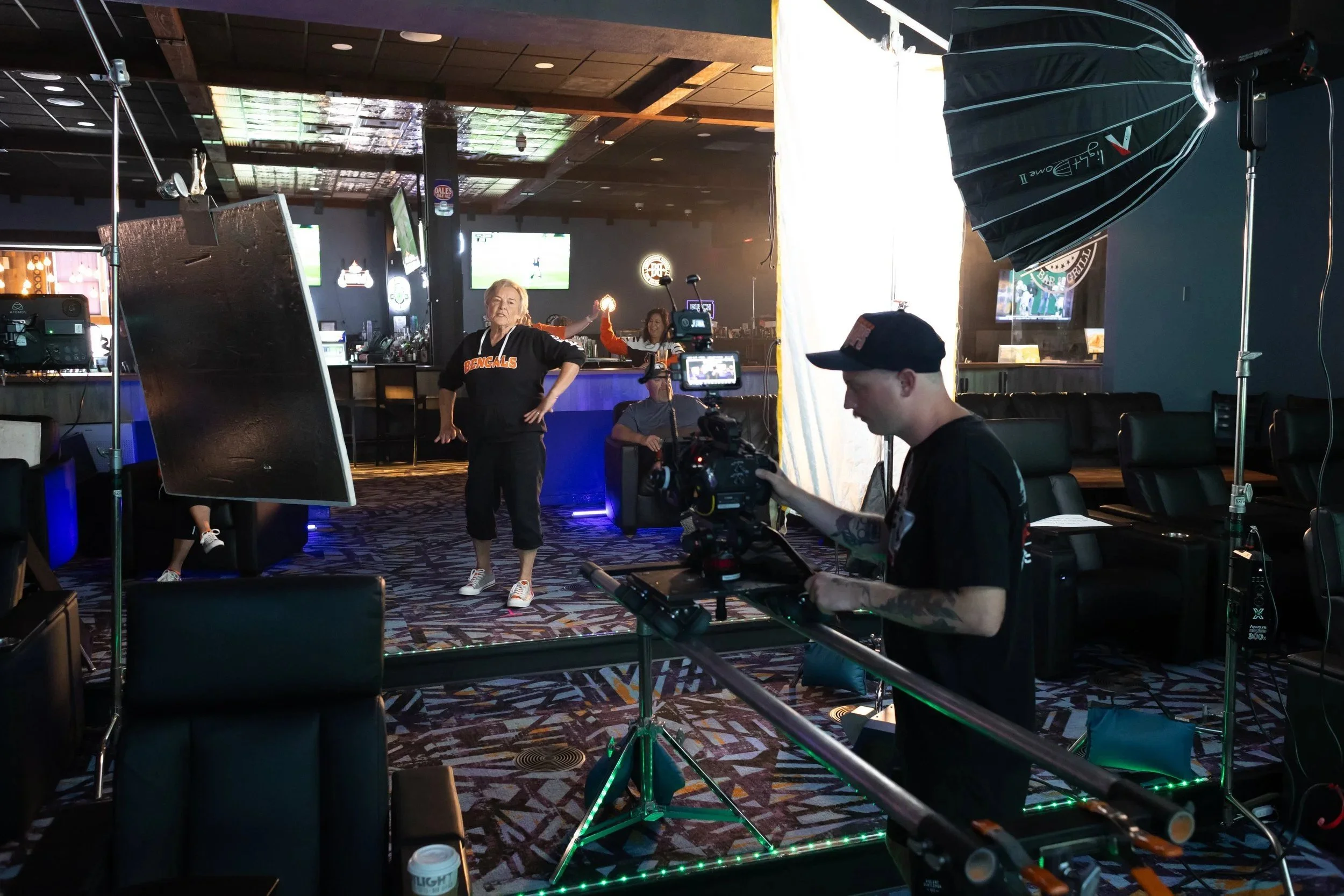
Setting up and shaping lighting
Running and mixing audio
Setting up microphones
Checking camera settings and recording formats
Monitoring exposure and color
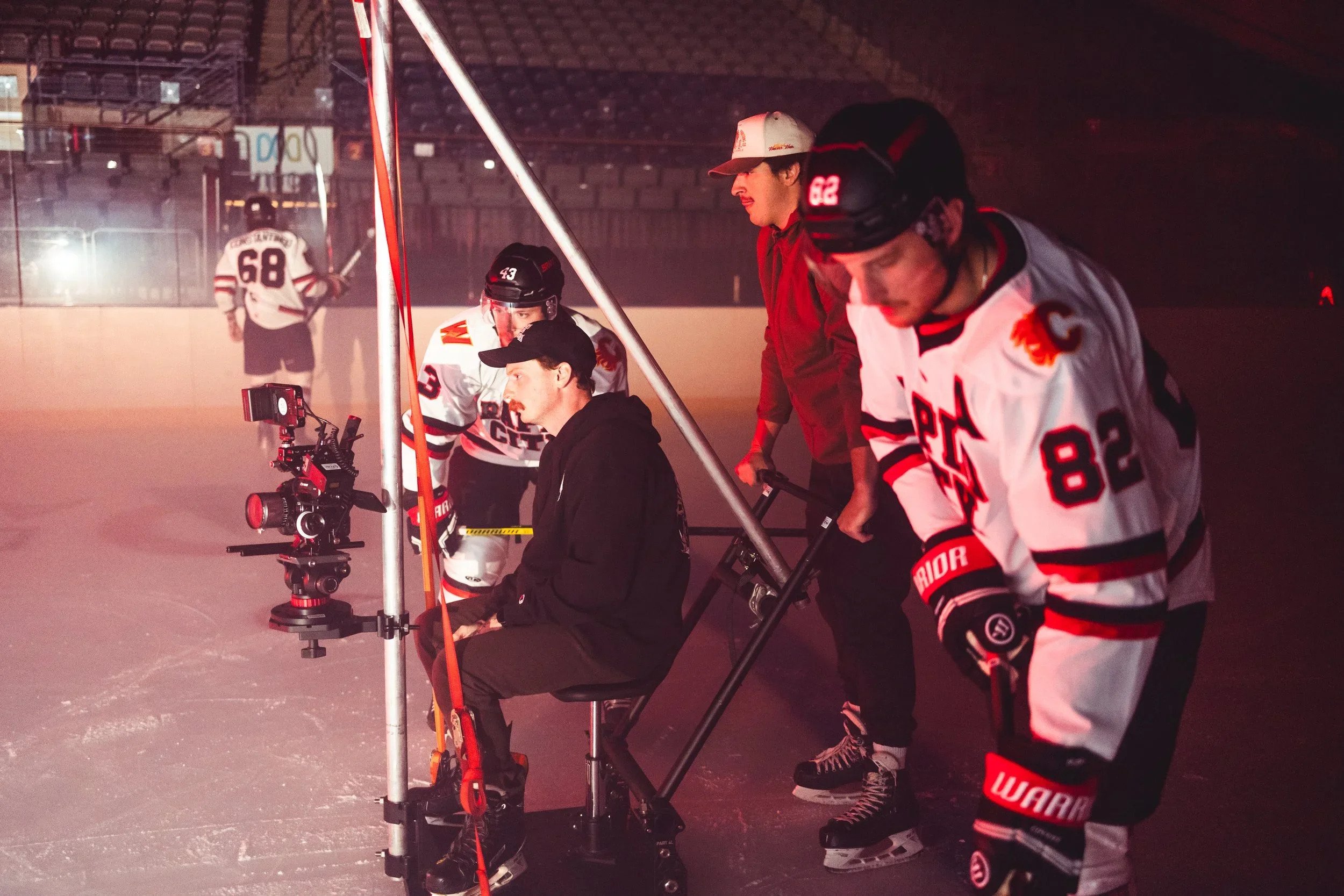
Building a tripod, gimbal, dolly, or other camera system
Running power and cables
Checking the location for unwanted noise or distractions
Framing and composing the shot
That time is valuable because it gives us the opportunity to solve problems before we're in the middle of filming.
What Is B-Roll?
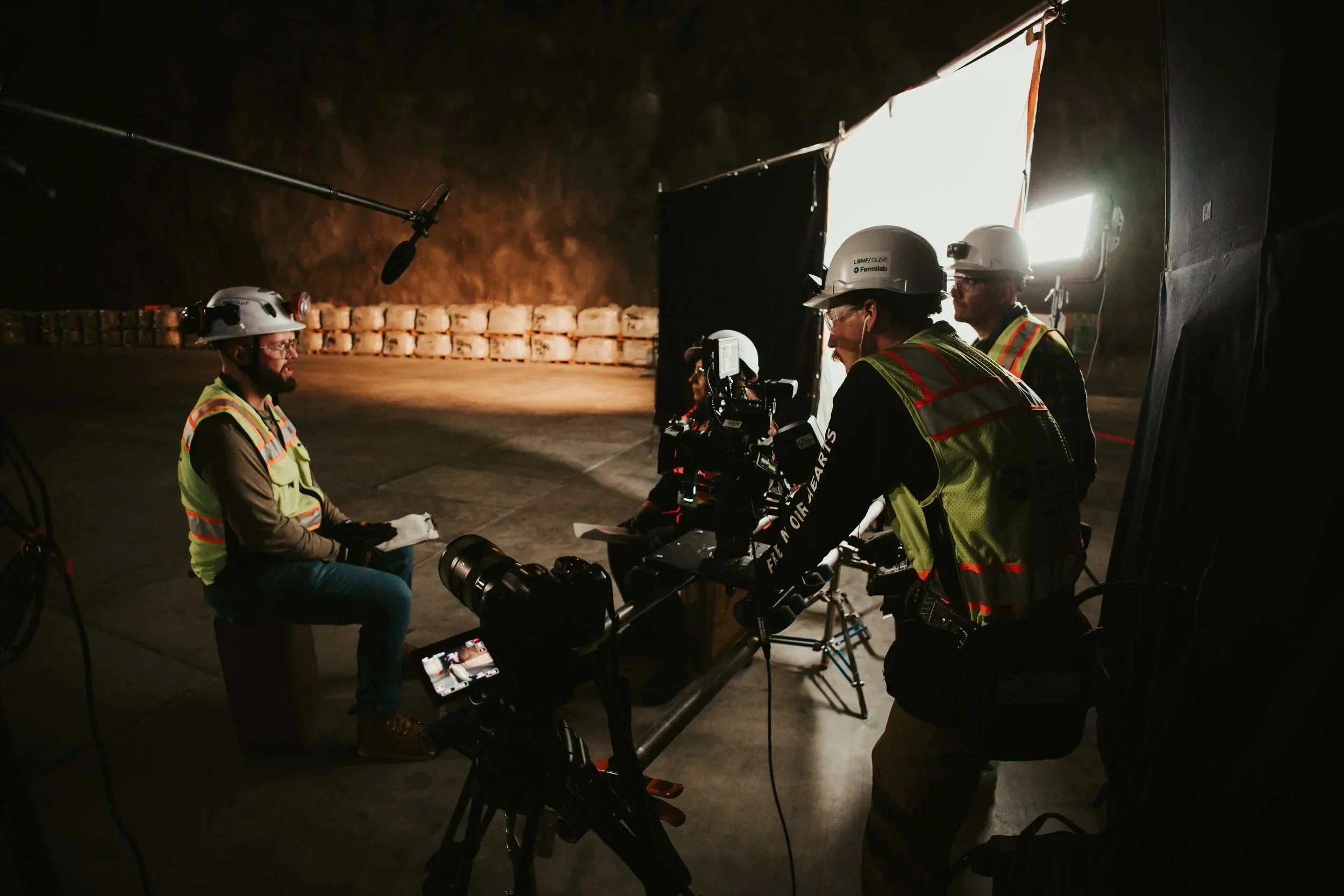
If you've ever watched a video where someone is talking while we see footage of them working, interacting with people, walking through a building, using a product, or doing something related to what they're discussing, you've seen B-roll.
Simply put, B-roll is the supporting footage that plays over the primary story, interview, or scene.
For example, if someone says:
"I love working with our team."
We might show them interacting with coworkers, helping someone, laughing with the team, or giving a high five.
The interview tells us what they're saying. B-roll helps us show it.
B-Roll Takes Time
One of the biggest misconceptions about B-roll is that it should be quick.
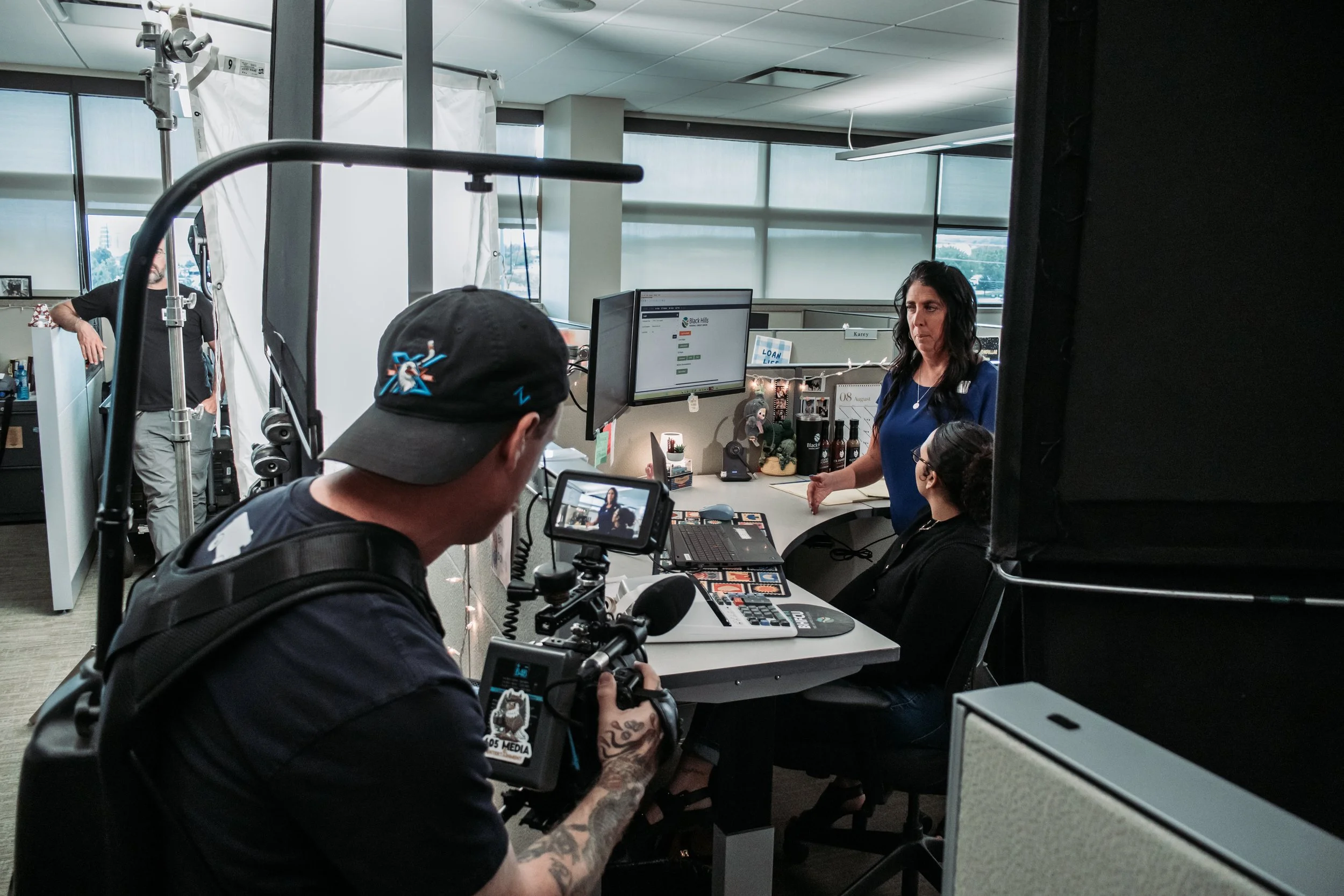
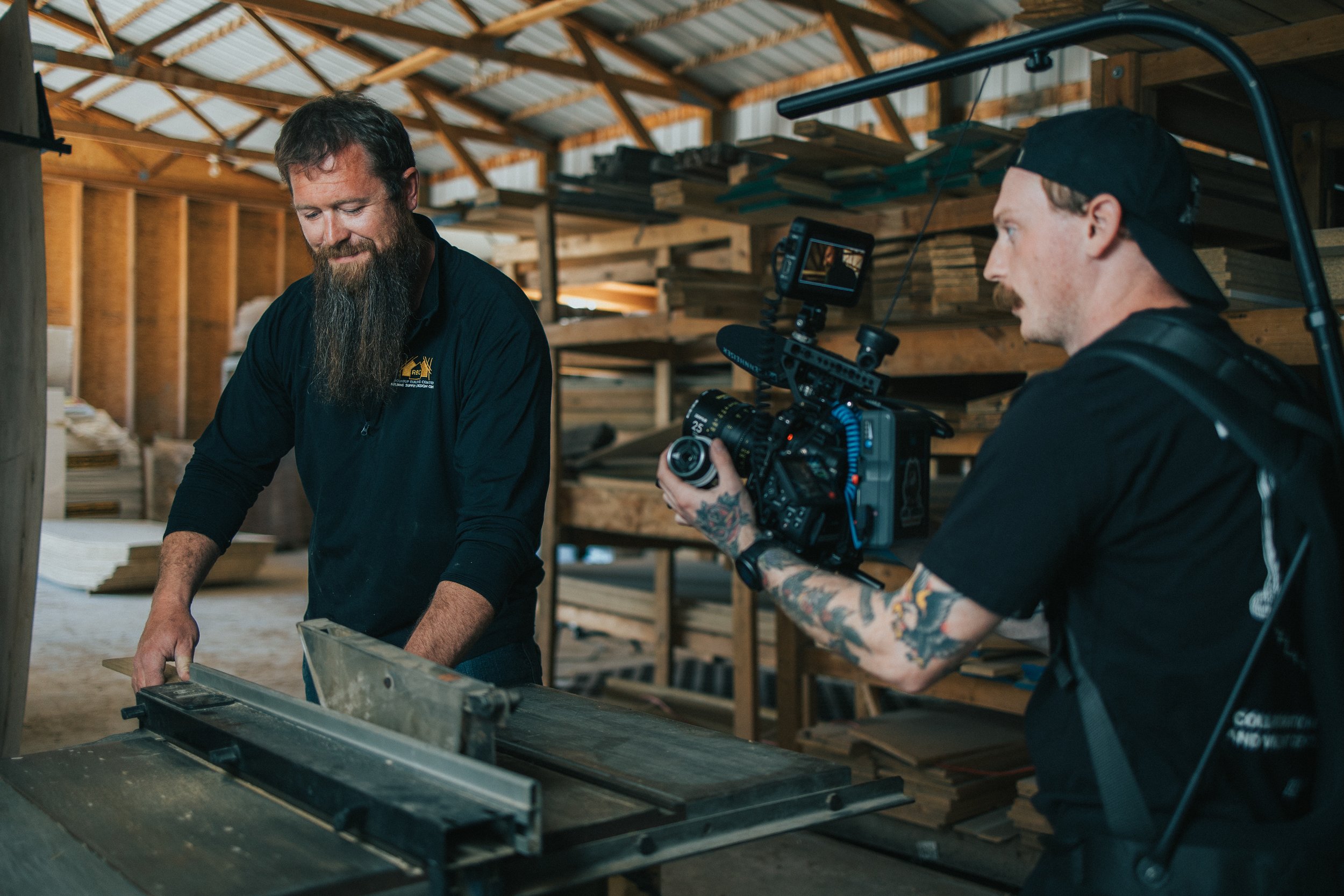
Just because a camera operator is holding a camera doesn't mean we're filming continuously.
For each shot, we may need to:
Determine what we're trying to capture.
Find the right location and angle.
Position the camera.
Adjust lighting.
Determine the camera movement.
Coordinate with the person or subject.
Film multiple takes.
Capture additional angles and perspectives.
We also want coverage (enough different shots and angles of the same action or scene to give the editor options when building the final sequence).
Without enough coverage, a scene can become repetitive very quickly.
For example, instead of filming someone making a product from one angle, we might capture:
A wide shot of the entire workspace
A medium shot of the person working
A close-up of their hands
A detail shot of the product
An over-the-shoulder shot
A moving shot following the action
A reaction shot
An environmental shot showing where they are
These shots may only appear on screen for a few seconds each, but together they make the final video feel much more intentional and engaging.
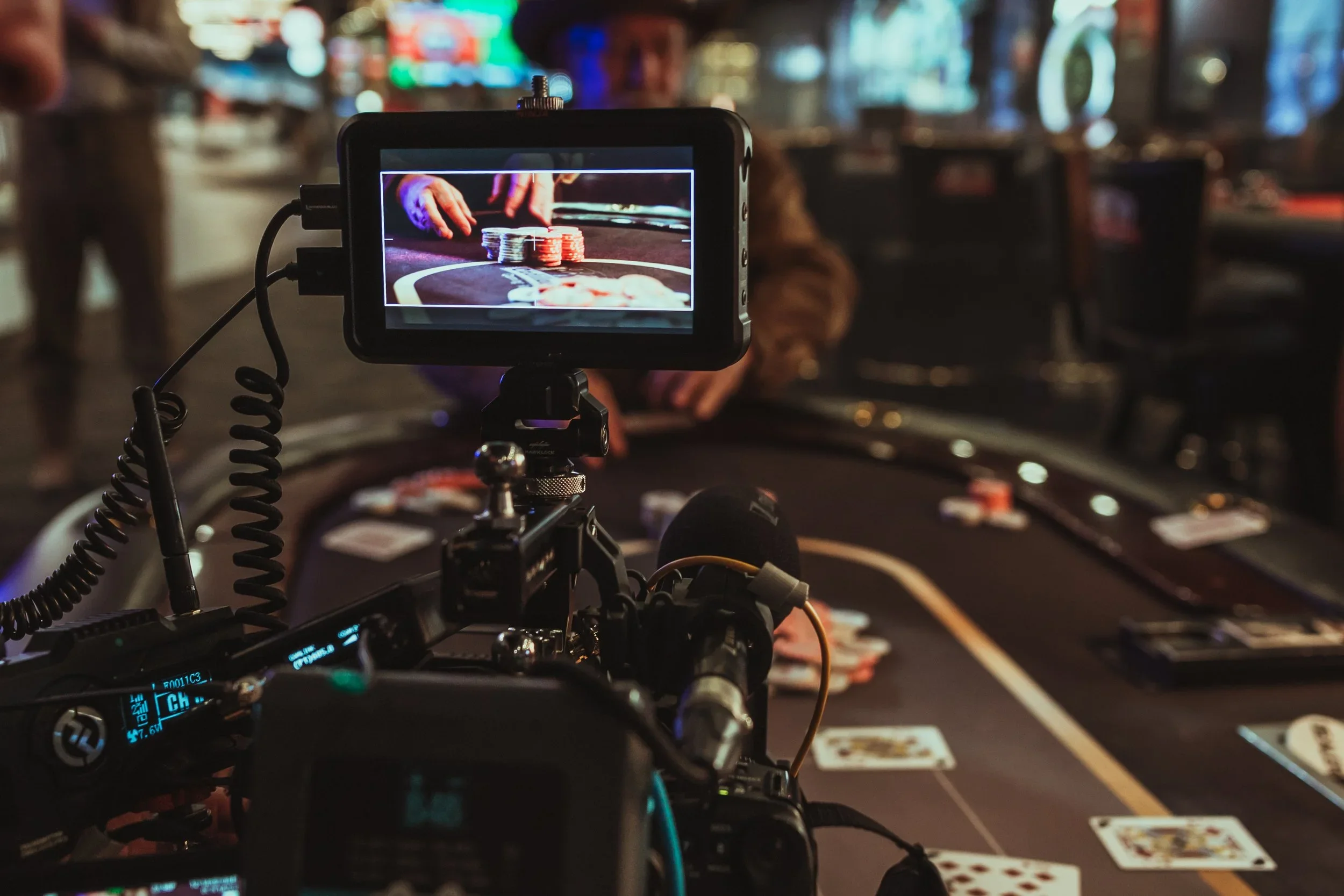
Whenever possible, we also light our B-roll. Good lighting isn't reserved for interviews. It can make even simple everyday activities look significantly more polished.
And B-roll isn't limited to documentaries or interview-based videos.
Even in a commercial, we may need insert shots, close-ups, establishing shots, people arriving, hands interacting with a product, environmental details, or other footage that helps the scene make sense once everything is edited together.
Why Do We Usually Start With Interviews?
For documentary and interview-based productions, we will often start the day with the interviews.
This isn't necessarily because interviews are the most important part of the day. It's because the interviews can help shape the B-roll we capture afterward.
For example, if someone talks about how much they enjoy working with their teammates, we now know we should capture footage that visually supports that idea.
We might film them:
Working alongside their team
Talking with coworkers
Helping someone
Laughing together
Giving a high five
Walking into a meeting together
The interview gives us the story.
The B-roll helps us show the story.
What Does a Typical Production Day Look Like?
Every production is different. Locations, schedules, talent, weather, lighting conditions, travel, and the creative concept can all affect the schedule.
But here's an example of what an average interview/documentary-style production day might look like:
Example Interview Production Day
8:00 AM
Crew call, load-in & location set-up
9:45 AM
Final checks and "last looks" for interview setup
10:00 AM
Interview 1
11:45 AM
Testimonial interview
12:00 PM
Testimonial interview
12:15 PM
Testimonial interview
12:30 PM
Lunch
1:00 PM
Breakdown & load-out of Location 1
3:00 PM
Arrive at Location 2 & begin setup
3:30 PM
B-roll
4:30 PM
Additional B-roll / activity coverage
5:00 PM
Final shots and pickups
5:30 PM
Wrap gear & locations
6:00 PM
Wheels up
This is just an example. Your actual schedule may look very different depending on the project.
What About Commercial Productions?
Commercials can be even more schedule-dependent.
Lighting conditions, talent availability, location availability, weather, travel time, scene complexity, and the number of setups can all affect how the day is structured.
For example, a one-day commercial with multiple locations and scenes could look something like this:
Example Commercial Production Day
9:00 AM
Crew call, load-in & setup at Scene 3
10:30 AM
Scene 3 filming
12:00 PM
Wrap & load-out of Scene 3
12:15 PM
Arrive at Scene 2 & begin setup
1:00 PM
Scene 2 filming
2:00 PM
Wrap & load-out of Scene 2
2:30 PM
Lunch
3:00 PM
Setup for Scene 4
4:00 PM
Scene 4 filming
5:00 PM
Scene 1 preparation & setup
5:30 PM
Scene 1 filming
6:30 PM
Wrap gear & locations
7:30 PM
Wheels up
Notice that some scenes may take significantly longer to set up than they do to actually film.
That's normal.
Why Does Filming Take So Long?
An 8-, 10-, or 12-hour production day can sound like a long time.
But filming isn't simply pointing a camera at something and recording it.
We may need to get the right movement, composition, lighting, performance, focus, exposure, audio, and timing for every shot.
Different shots may also require completely different camera setups.
For example, one scene might use:
A tripod
A handheld rig
A gimbal
A slider or dolly
A drone
A different lens
A second camera angle
Switching between these setups takes time.
So does moving lights, repositioning talent, adjusting the environment, changing lenses, checking focus, reviewing takes, and making sure the next shot is ready.
The goal isn't to spend as much time on set as possible.
The goal is to use the time we have to create the best possible footage.
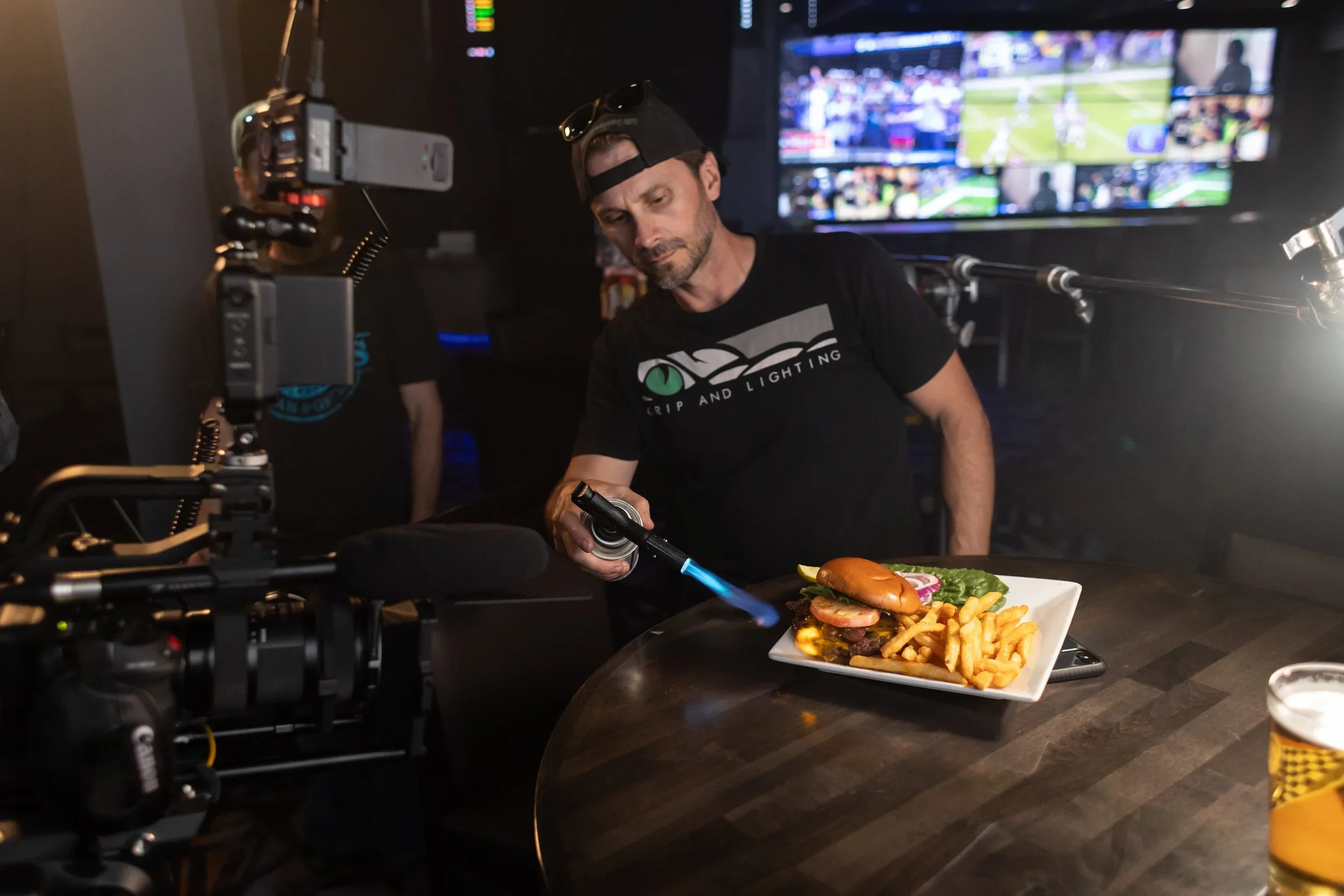
FAQ: Why not just show up and shoot with just yourself and a camera?
We could.
But that's not the type of work we're trying to create.
At 605 Media & Entertainment, we want to create story-driven media that captures attention, feels intentional, and has longevity.
Our goal is to create something that can distinguish your brand from your competition, not something that simply looks like another piece of content.
That often requires more planning, more equipment, more people, and more time.
We're not adding complexity just for the sake of complexity. We're using the tools and resources necessary to execute the creative properly.
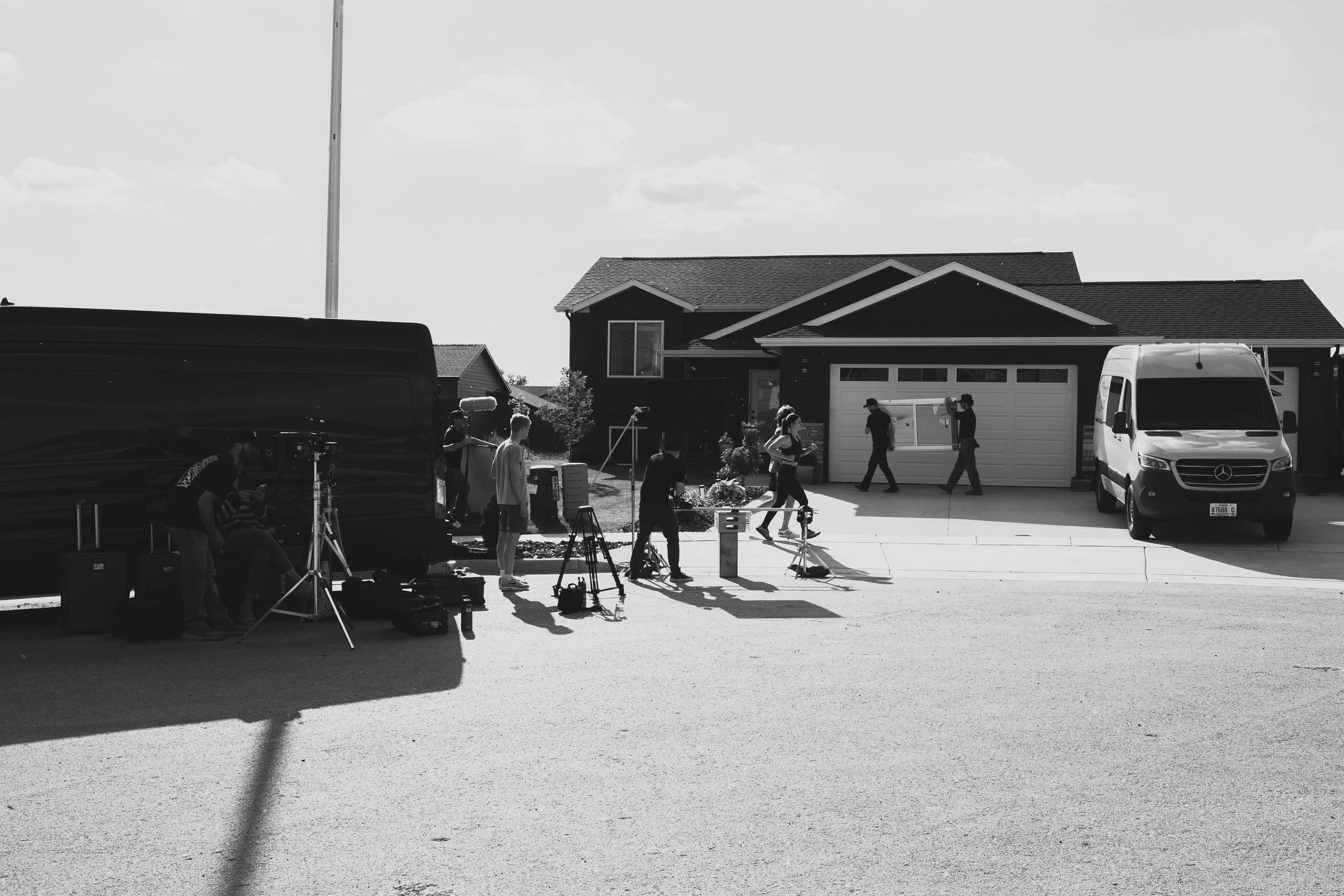
FAQ: Do You Just Use All That Gear for the Sake of Using Gear?
No.
Every piece of equipment we bring has a purpose.
A second camera might give us another angle so we don't have to interrupt an interview.
A gimbal might allow us to create movement that wouldn't be possible on a tripod.
A specific lens might help us achieve a particular perspective or depth of field.
Additional lighting might allow us to control the look of a scene, separate a subject from the background, or maintain consistency as the day changes.
The equipment is there to give us more creative control and more options, not simply to make the production look bigger.
FAQ: What Are "Pickups"?
A pickup is an additional shot we capture after the primary scene or action has already been filmed.
Sometimes, while reviewing a scene or during the editing process, we realize there's a small shot that would help tell the story or make the edit work better.
That might be a close-up of someone's hands, a shot of a door opening, someone walking into a room, a product detail, or another small piece of footage.
These shots are called pickups because we're essentially "picking up" an additional piece of coverage.
Pickups can be planned in advance, but sometimes they're identified during production or even during the editing process.
The Bottom Line
A production day is a collaborative process.
Our job is to bring the creative vision, equipment, experience, and technical expertise. Your job is to show up prepared, be available when needed, and trust the process.
There will be moments when we're moving equipment.
There will be moments when we're adjusting lights.
There will be moments when we're waiting for the right light, resetting a scene, changing camera setups, or filming something that may only appear on screen for two seconds.
All of those little pieces add up to the final product.
Great video doesn't happen when we press record.
It happens through the planning, preparation, production, and attention to detail that happens before, during, and after we press record.
We hope this guide helps you understand what to expect on production day, and we're looking forward to creating something great with you.
