
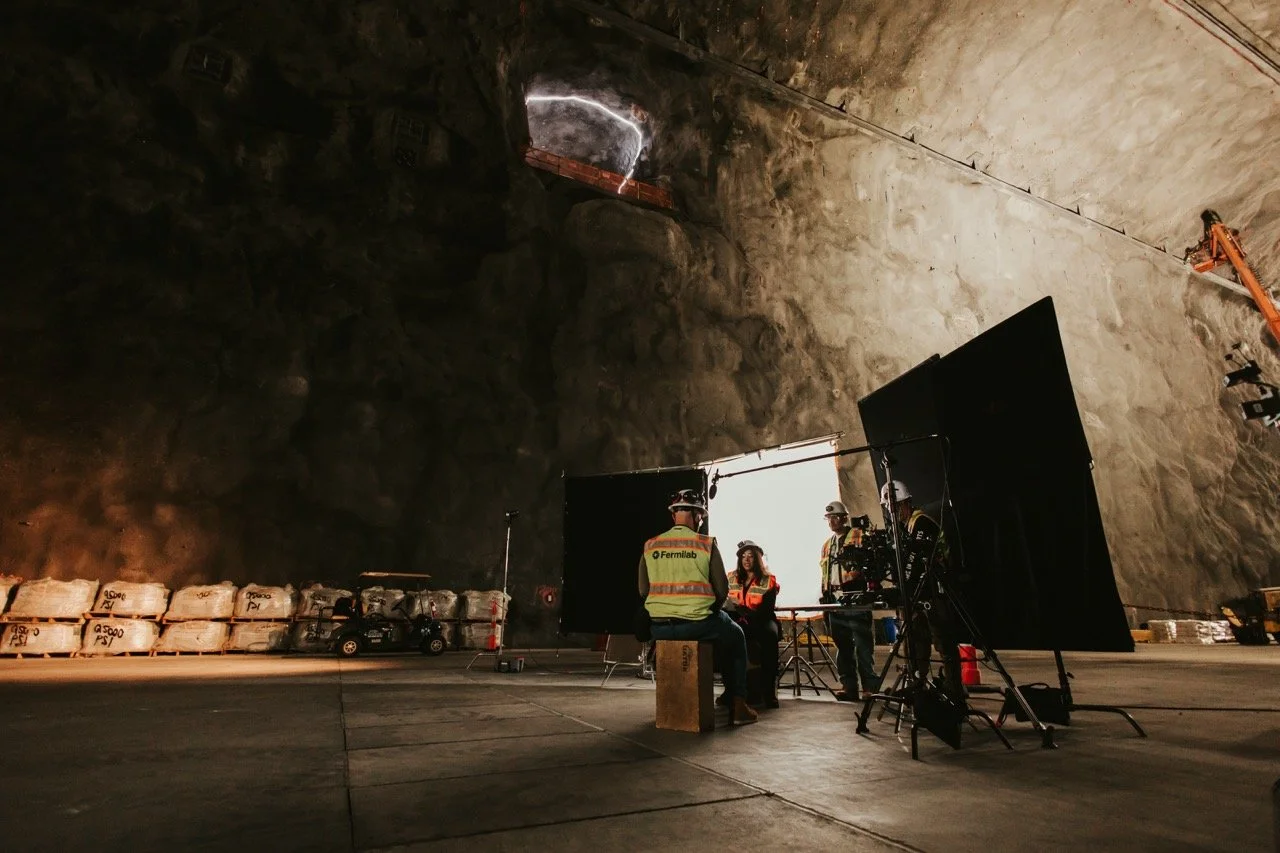
If you've lived in the Black Hills for the past several years, you've probably heard someone mention "the underground lab in Lead."
Maybe you've seen headlines about massive excavations taking place a mile beneath the surface, or you've heard that scientists from around the world are coming to South Dakota to study something called neutrinos. But for many people, the obvious question remains: What exactly are they building down there, and why does it matter?
The answer is surprisingly profound.
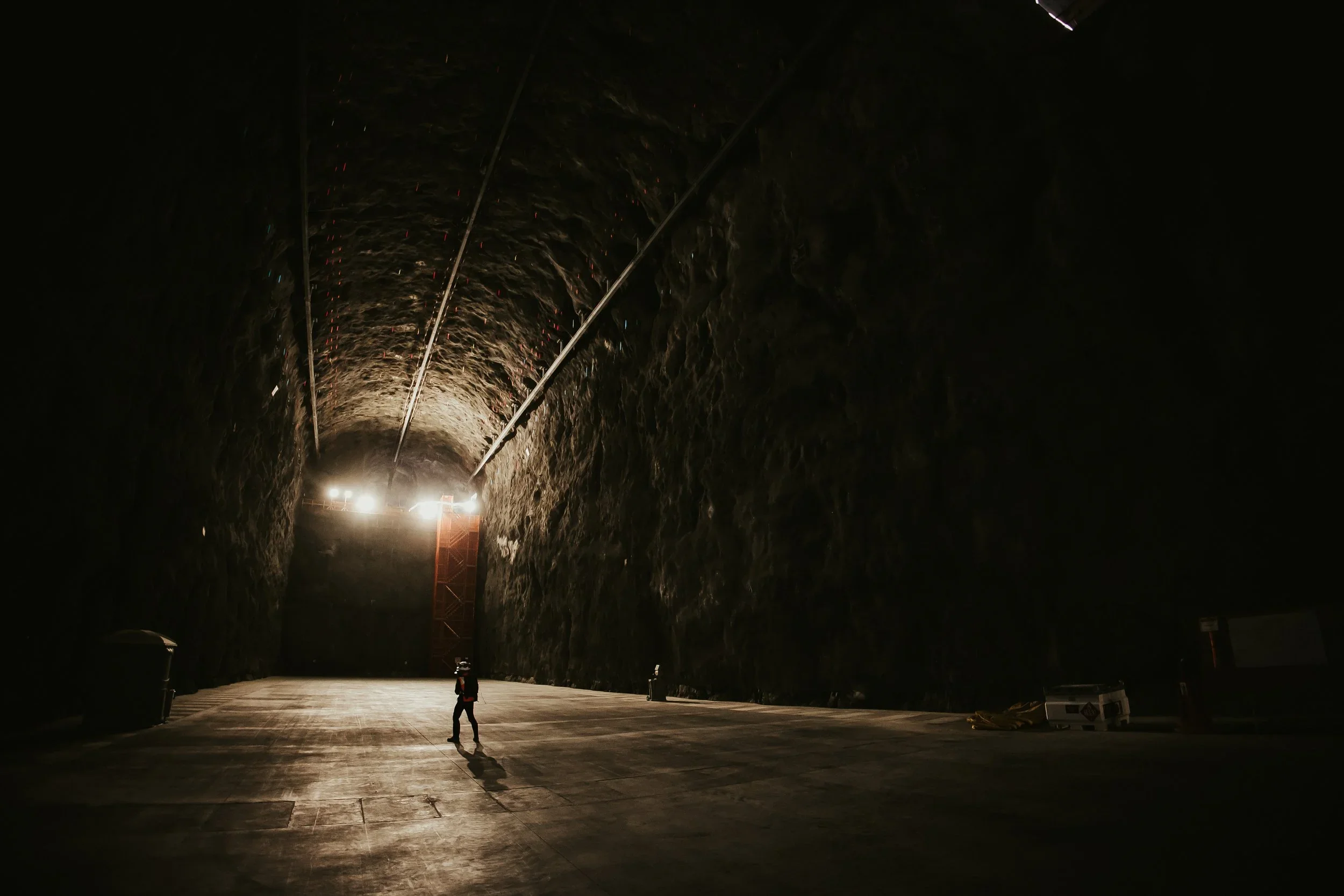
Deep beneath Lead, South Dakota, the Deep Underground Neutrino Experiment (DUNE) is taking shape inside the Long-Baseline Neutrino Facility (LBNF). This international scientific endeavor is designed to answer some of humanity's biggest questions: Why does the universe exist the way it does? Why is there matter instead of nothing at all? How are black holes and neutron stars formed? And can we better understand the fundamental forces that govern everything around us?
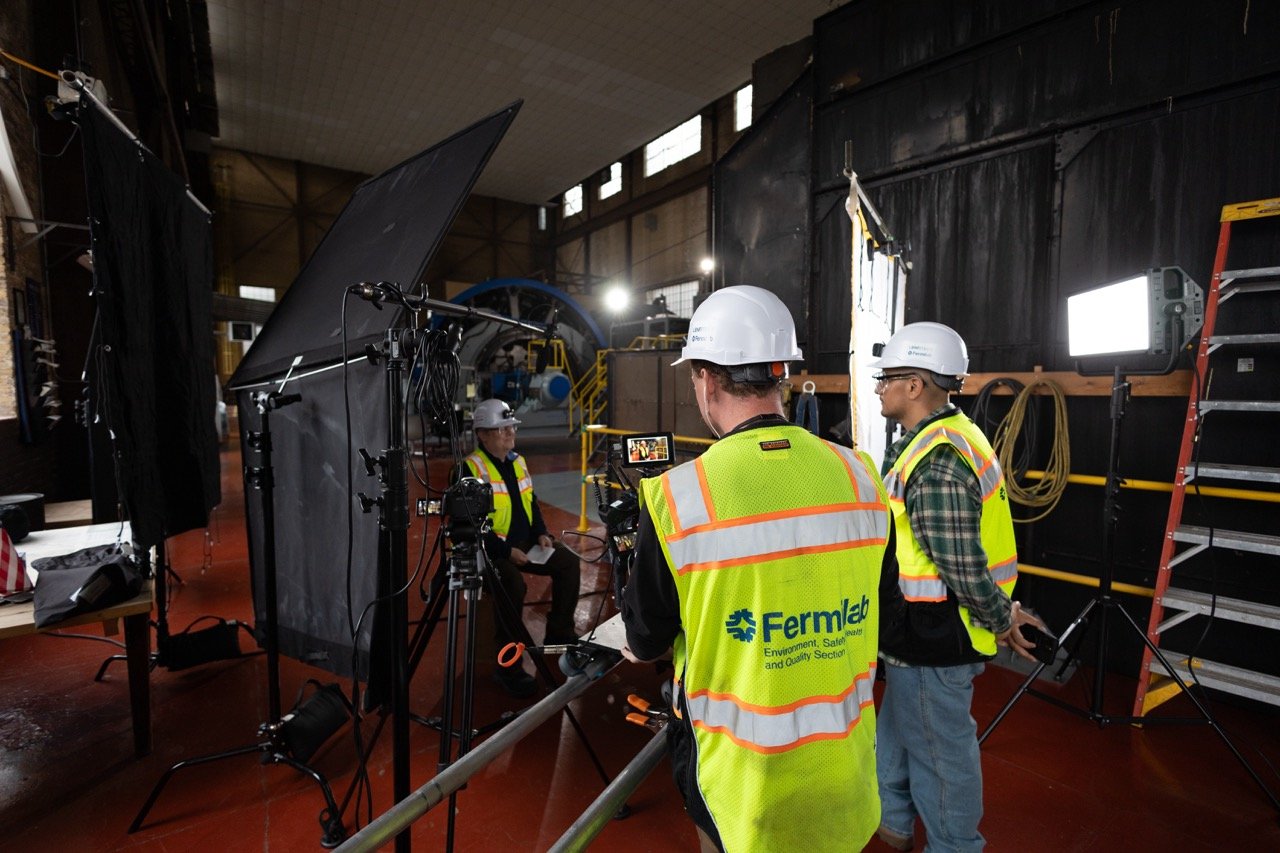
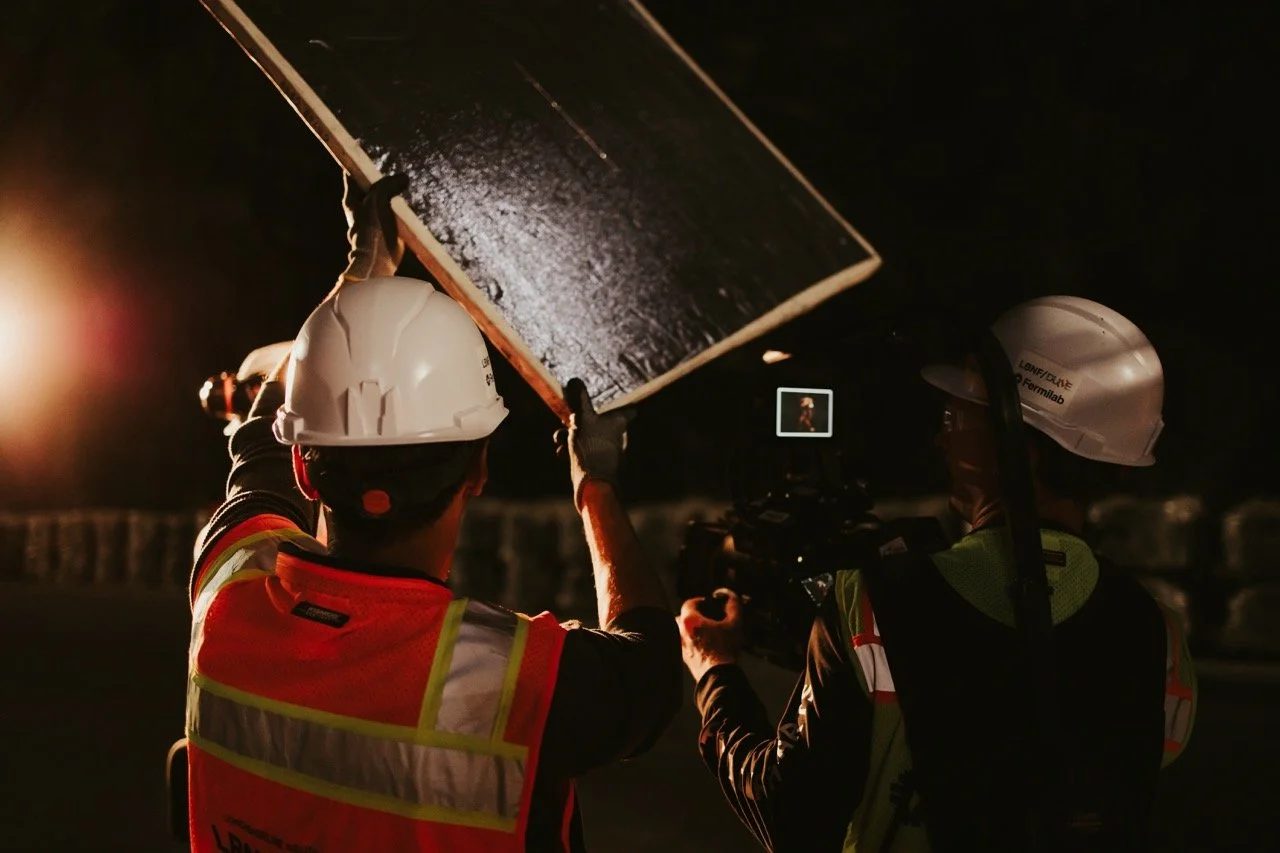
For our team at 605 Media & Entertainment, this project has been more than just another production. Since 2019, we've had the rare opportunity to help document the creation of one of the world's most ambitious scientific experiments. Our journey began through a partnership with Kiewit, the construction contractor responsible for major excavation and infrastructure work for the underground facility, where we produced progress updates that captured the immense scale and complexity of building a world-class research laboratory a mile underground. In 2025, our role expanded through an ongoing partnership with Fermilab, allowing us to continue telling this story through documentaries, progress films, social media content, and photography.
Simply put, we help show the world what's happening beneath the Black Hills. And in doing so, we've had a front-row seat to history in the making.
Case Study: Our Ongoing Work with Fermilab and DUNE
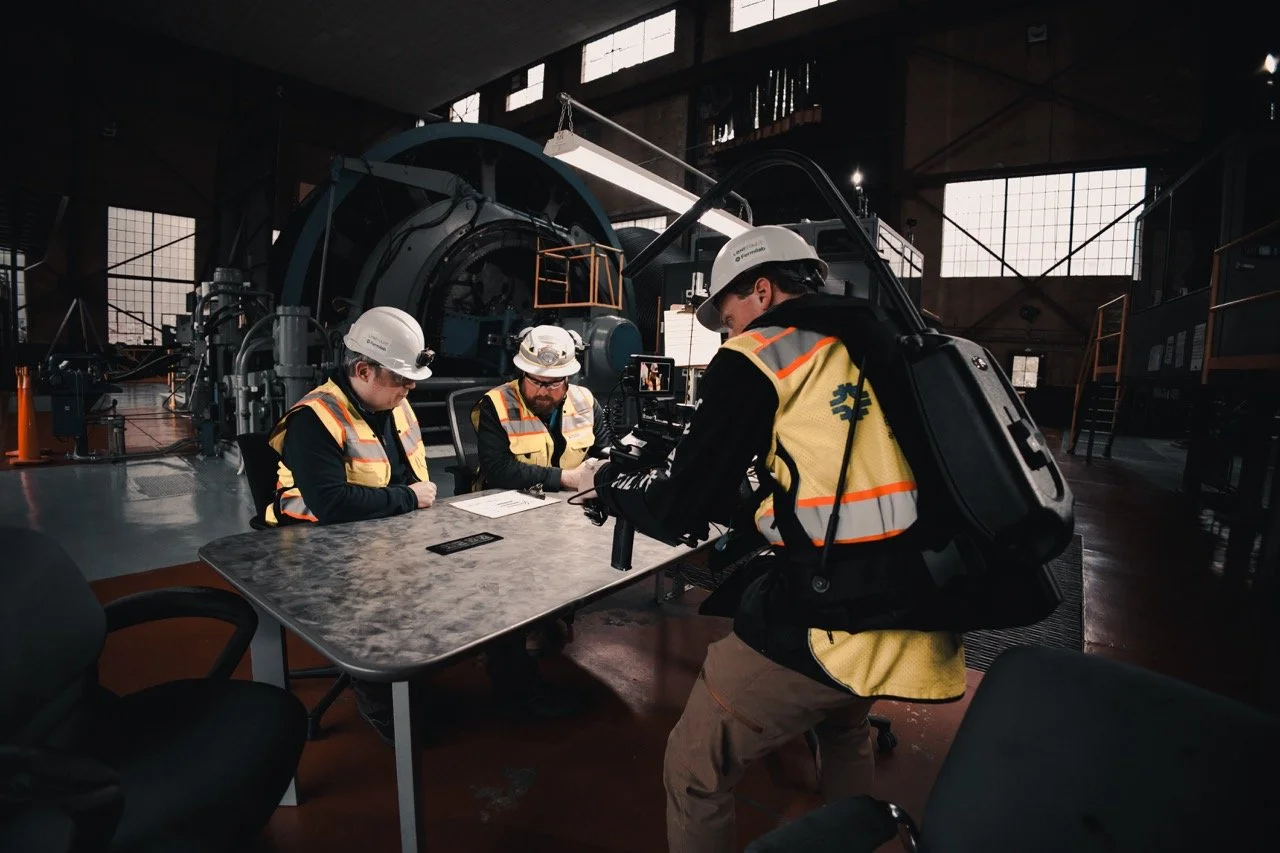
Since 2025, 605 Media & Entertainment has partnered with Fermilab to document the ongoing development of the Deep Underground Neutrino Experiment (DUNE) and the Long-Baseline Neutrino Facility (LBNF) at Sanford Underground Research Facility in Lead, South Dakota. Our work includes documentary filmmaking, progress videos, social media content, commercial photography, interviews, and visual storytelling that helps communicate one of the world's most ambitious scientific endeavors. From 4850 feet underground to international audiences, our role is to capture and share the people, progress, and purpose behind this historic project.
Using Video Storytelling to Attract World-Class Engineers
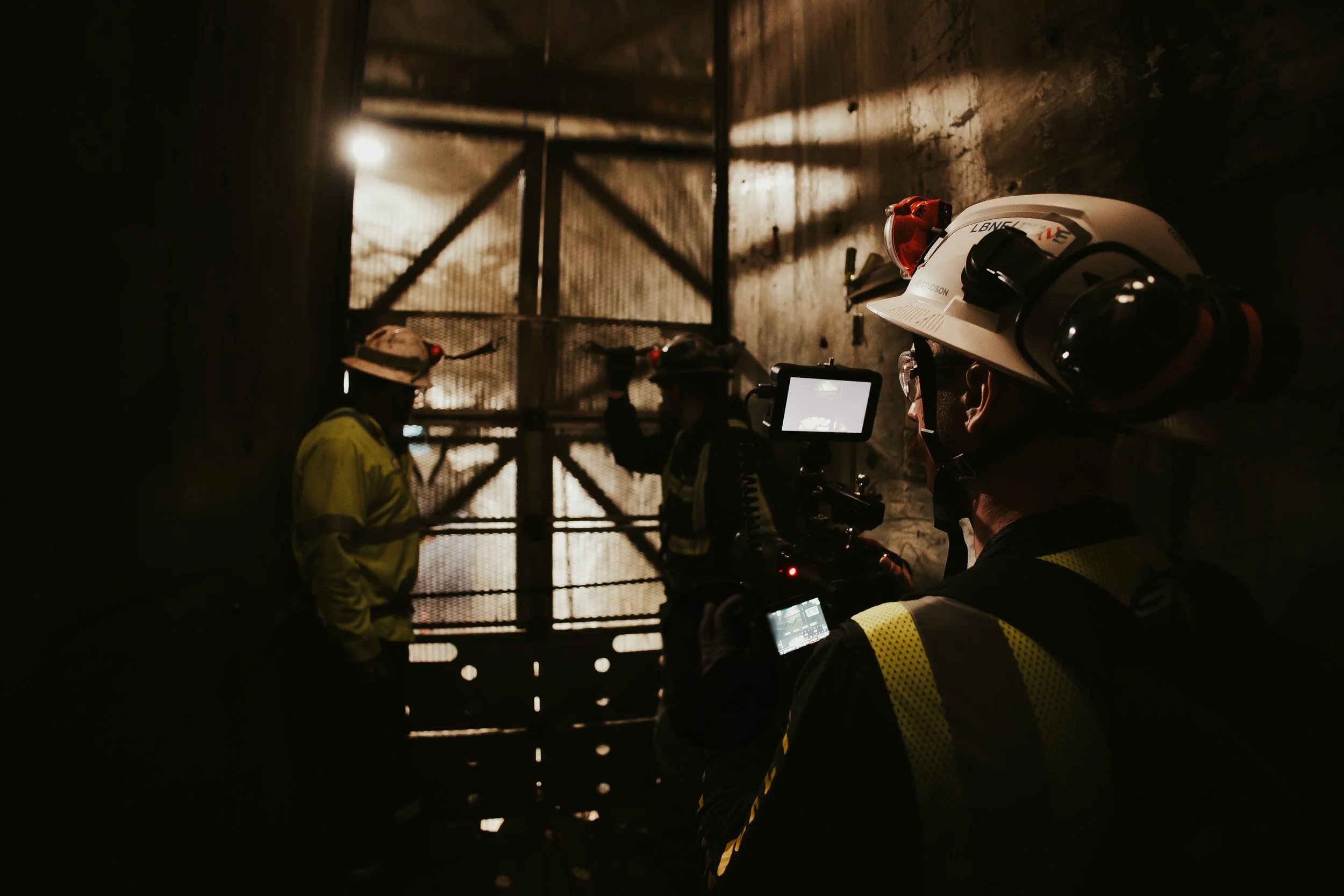
Recruiting exceptional talent requires more than a job description. For global engineering firm Arup, the goal was to create a recruitment video that went beyond listing responsibilities and instead showcased the purpose, scale, and impact of the work itself. Through cinematic interviews, environmental storytelling, and documentary-style visuals, we developed content designed to help prospective employees understand not only what they would do, but why their work would matter.
As a video production company specializing in recruitment videos and employer branding content, our approach focuses on attracting the right candidates by highlighting company culture, mission, and meaningful work. For Arup, that meant telling the story of engineers helping build the Long-Baseline Neutrino Facility and the Deep Underground Neutrino Experiment in South Dakota—one of the most ambitious scientific projects in the world. The result is a recruitment film that serves as both a hiring tool and a powerful piece of brand storytelling, helping Arup connect with engineers looking to make an impact.
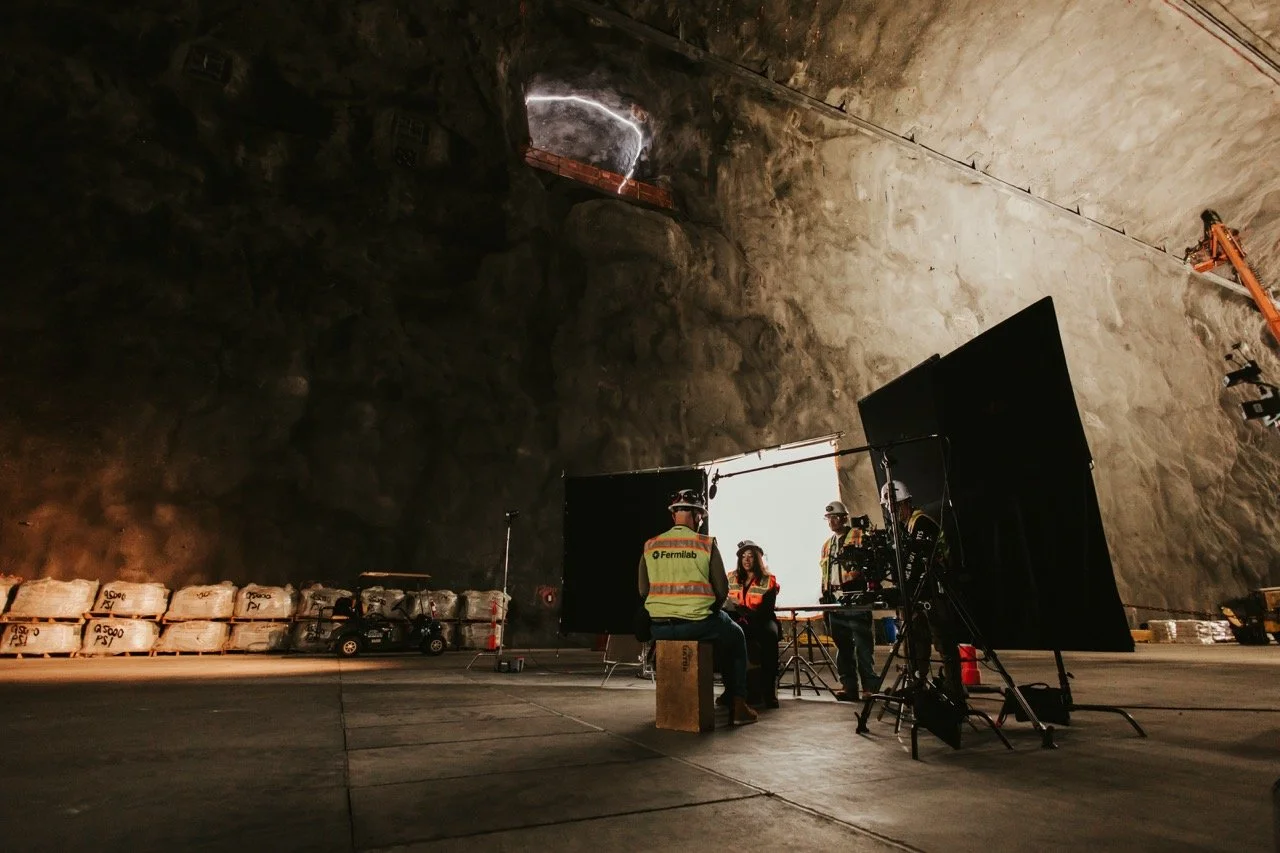
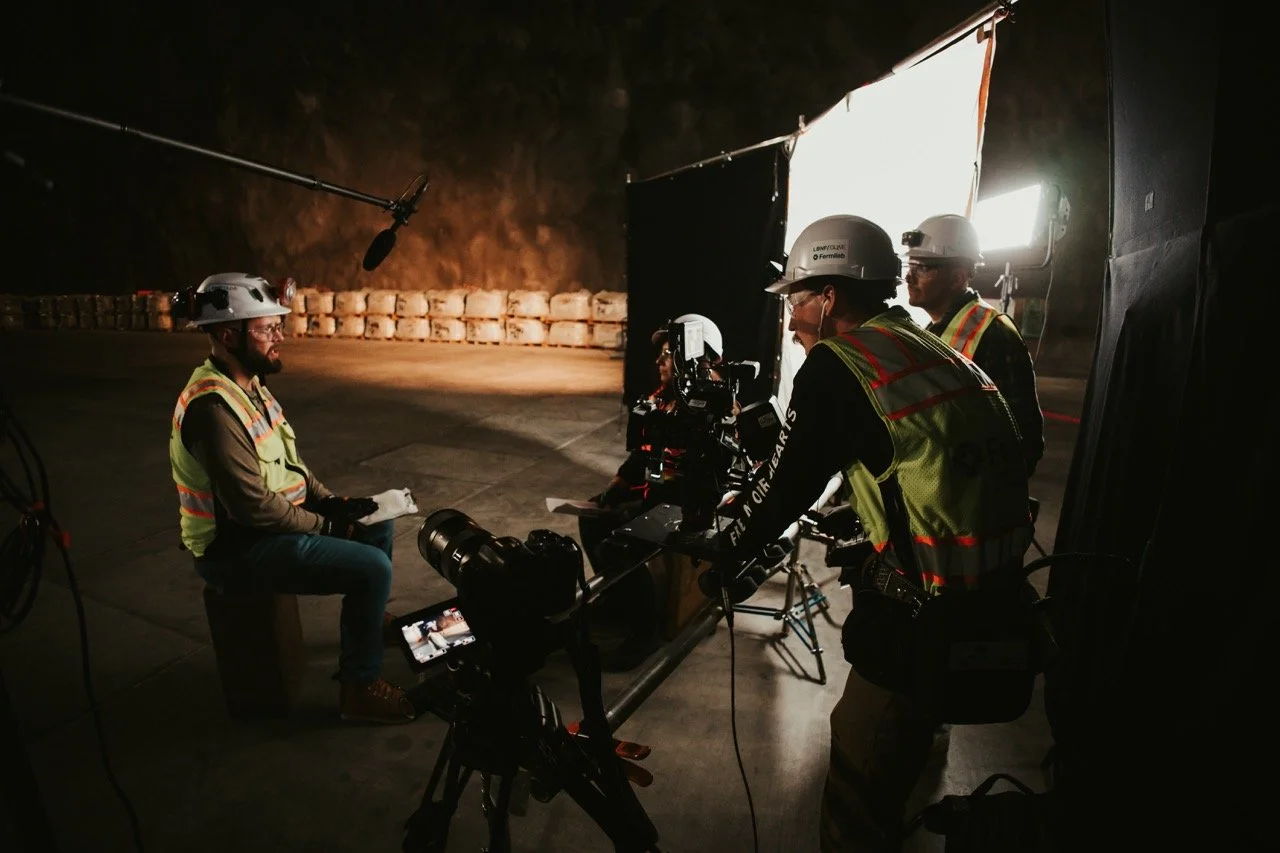
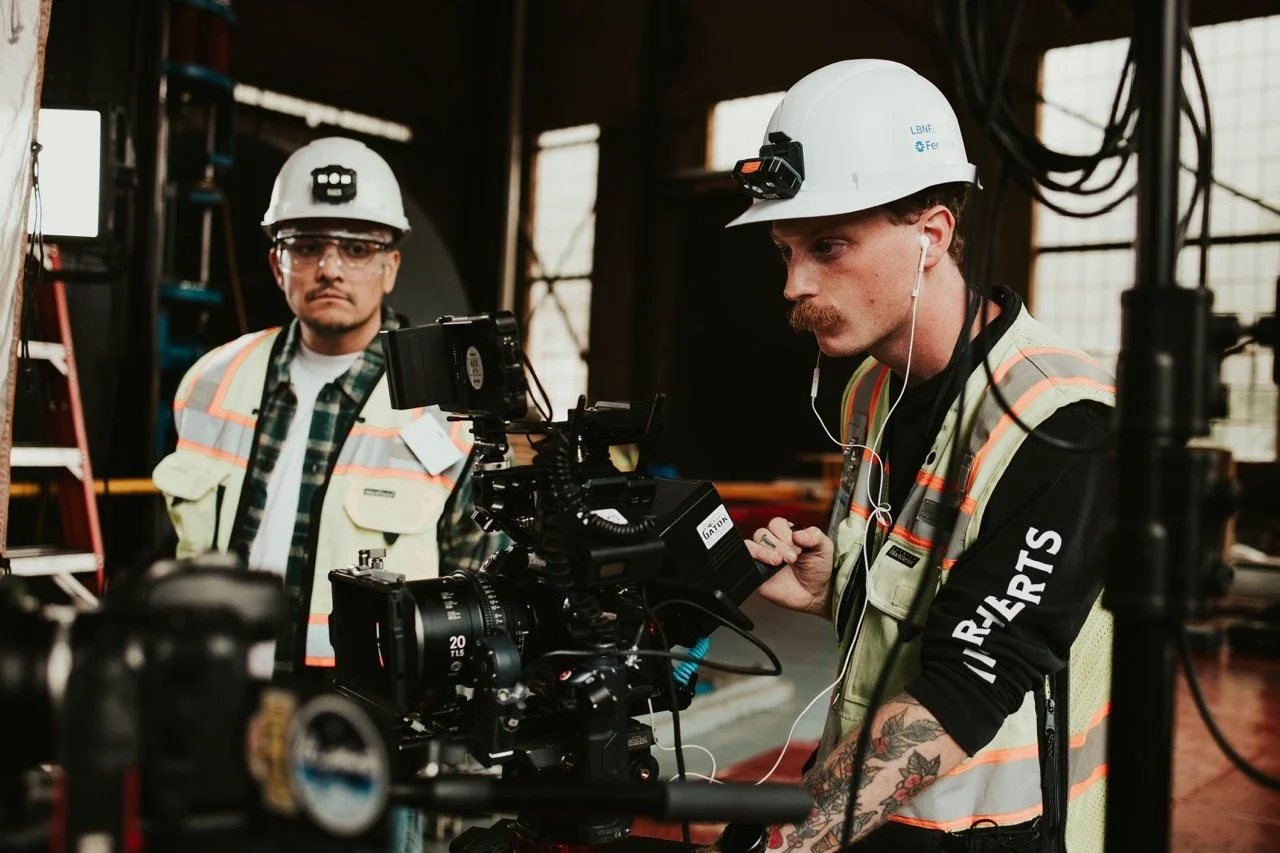
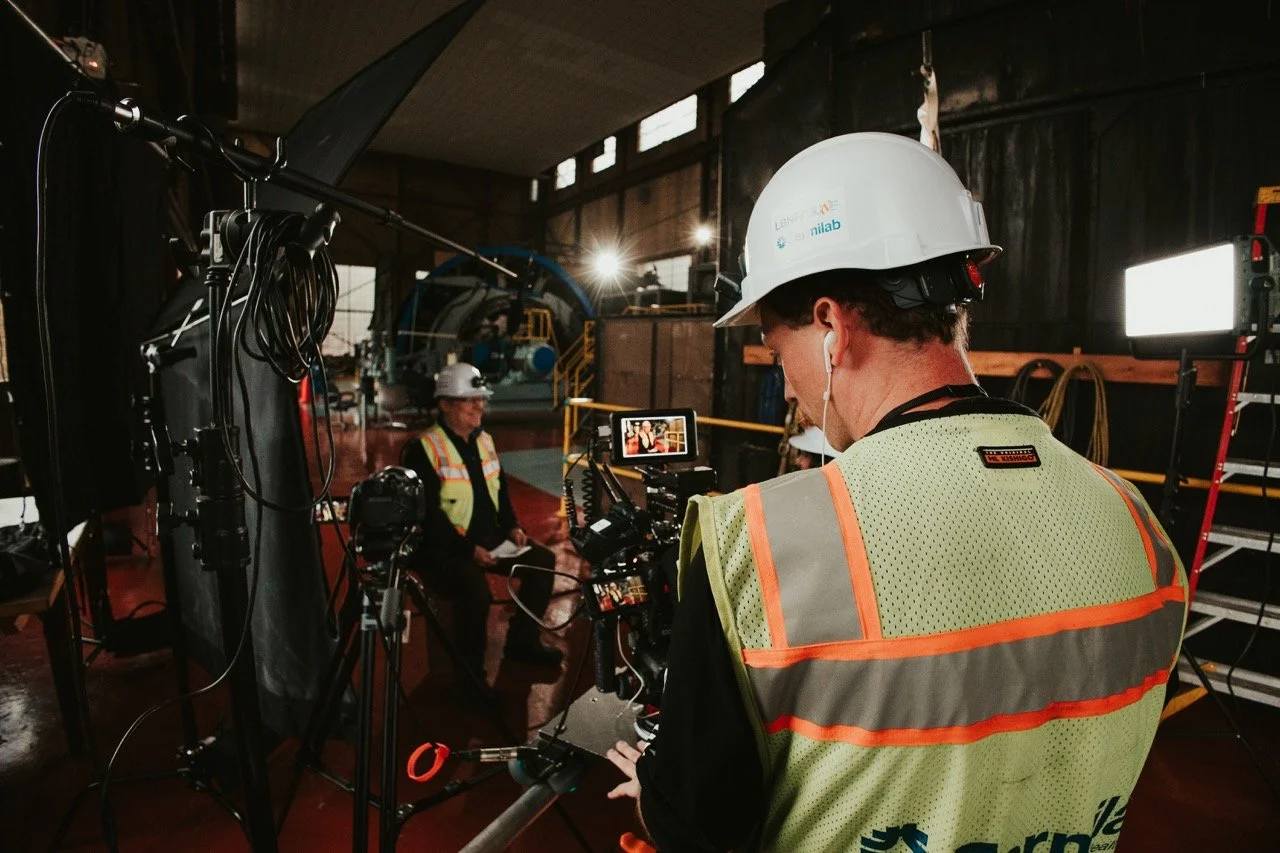
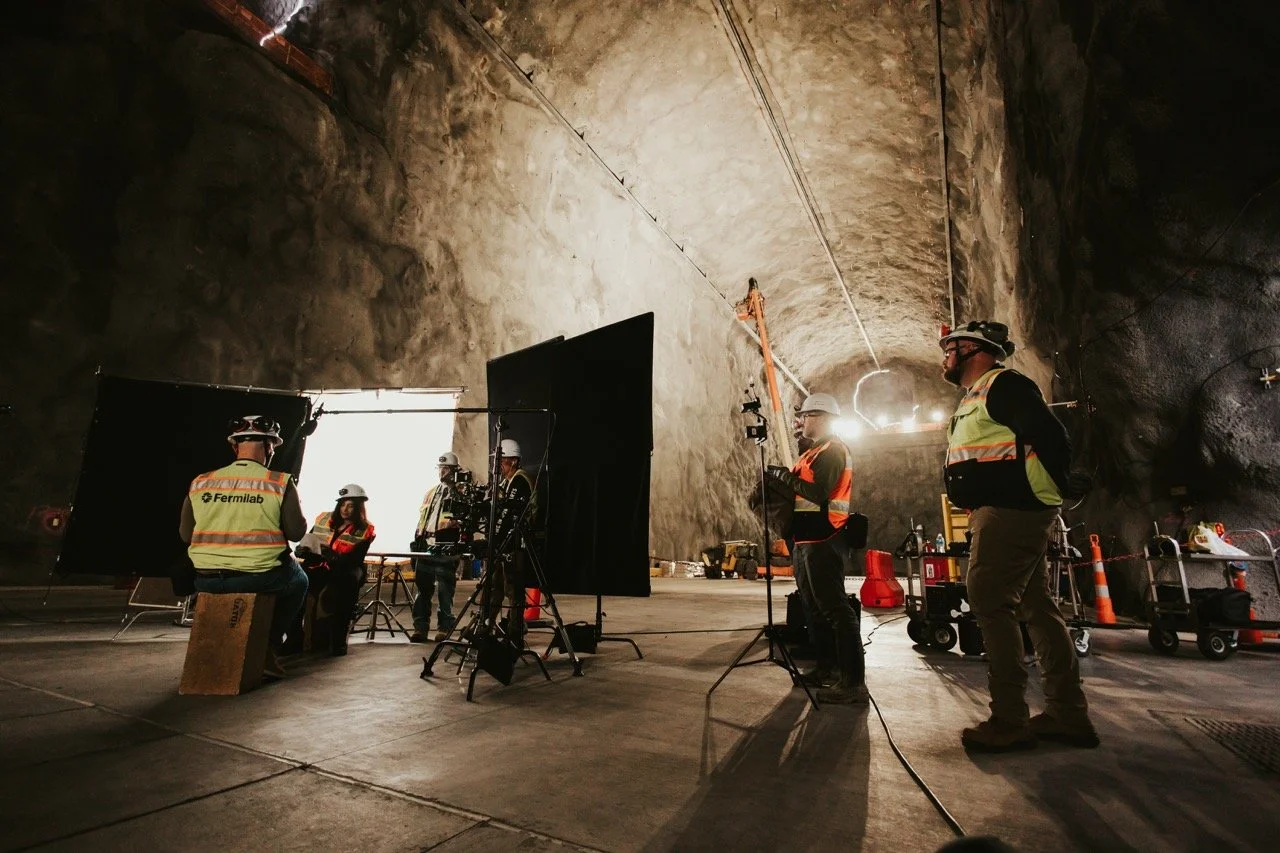
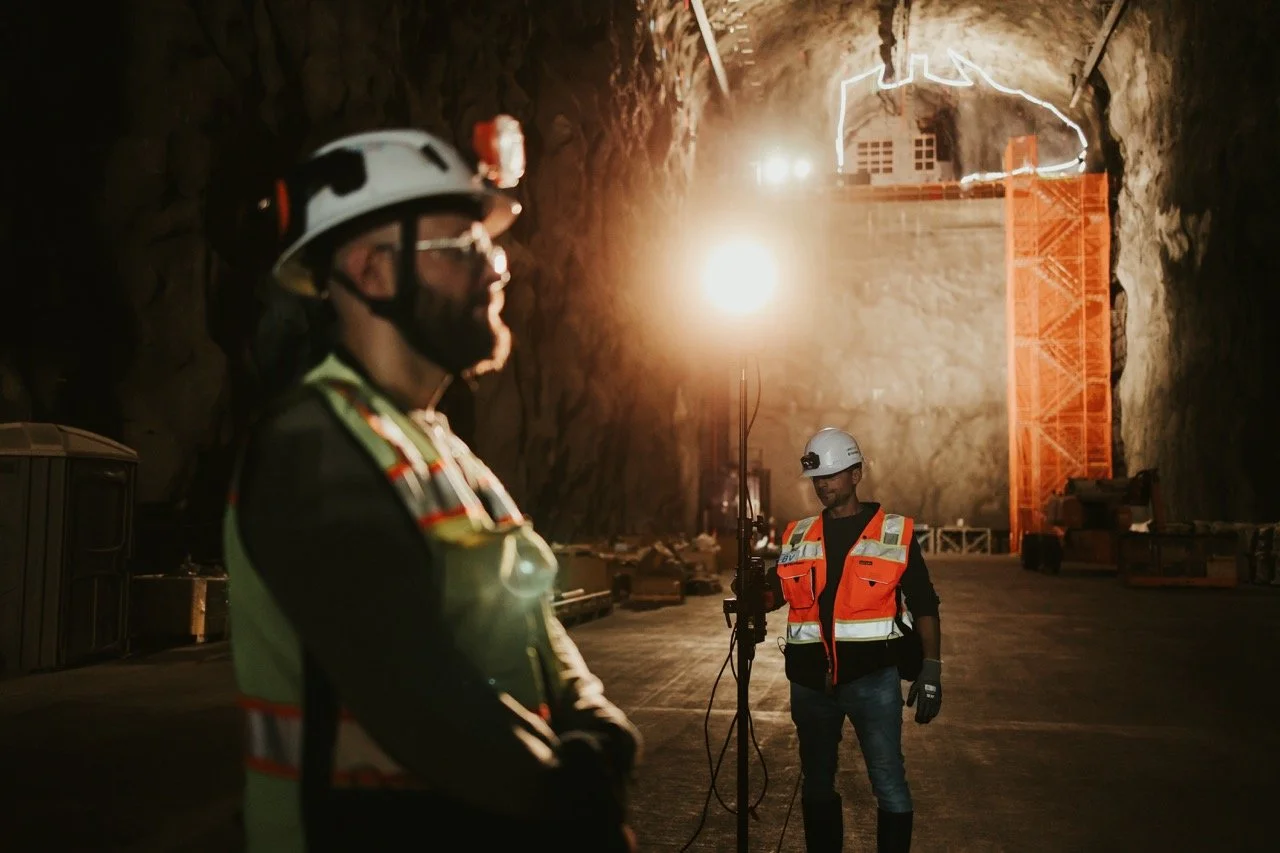
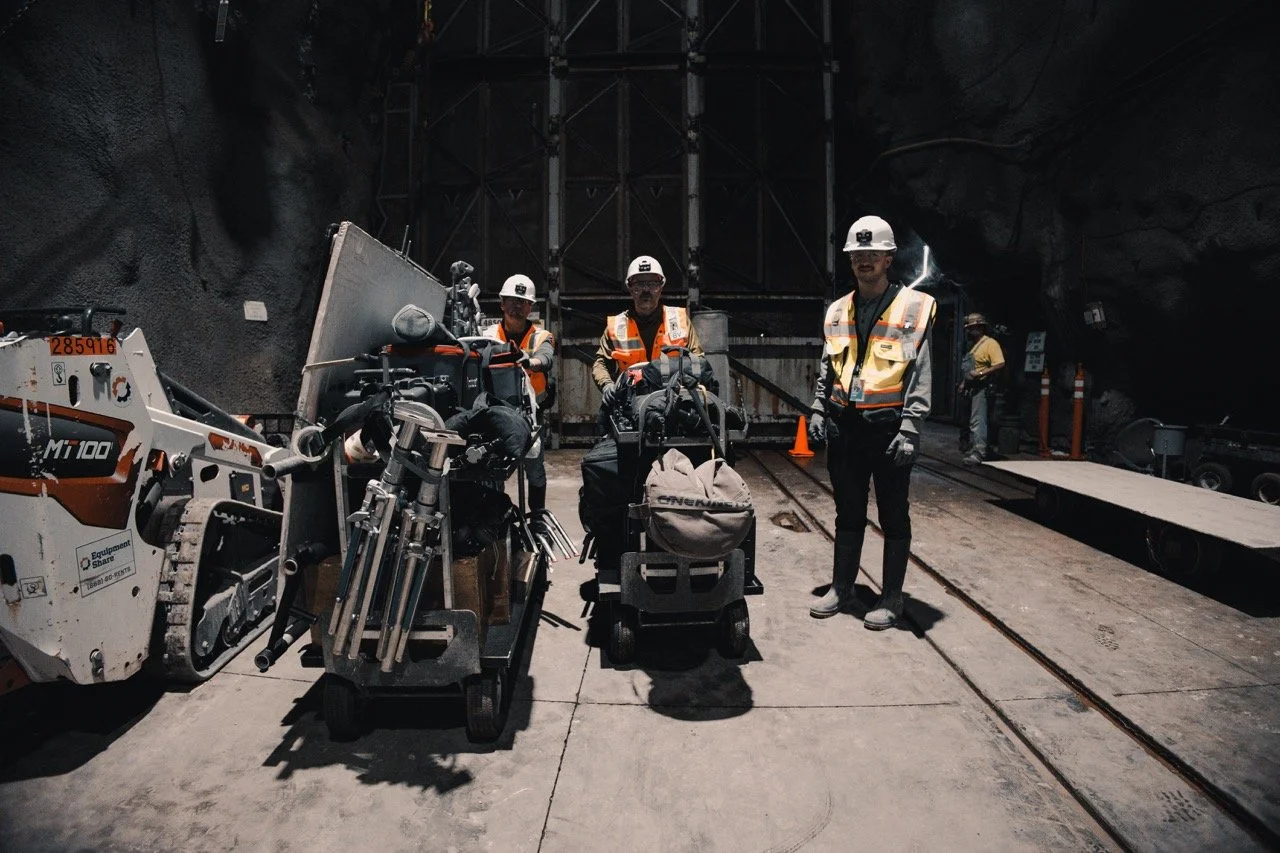
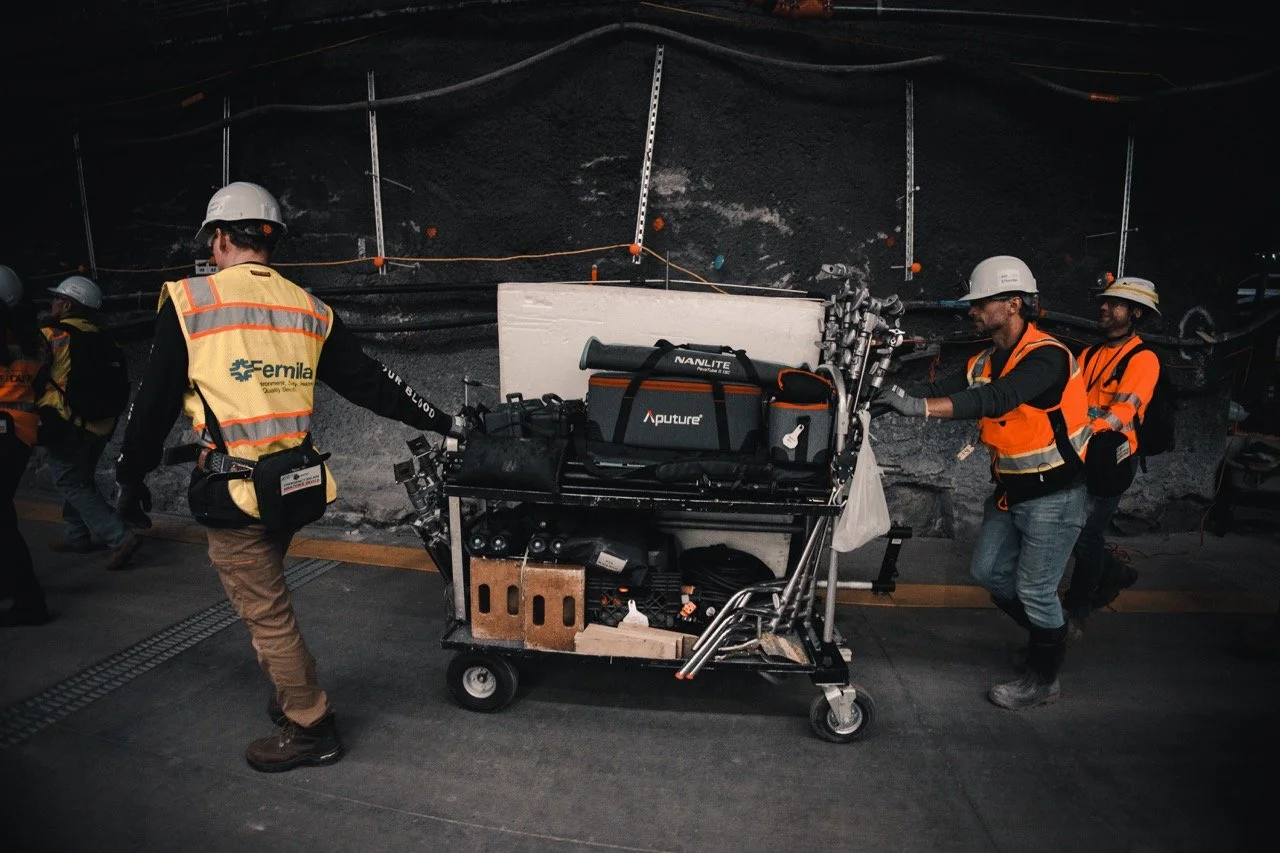
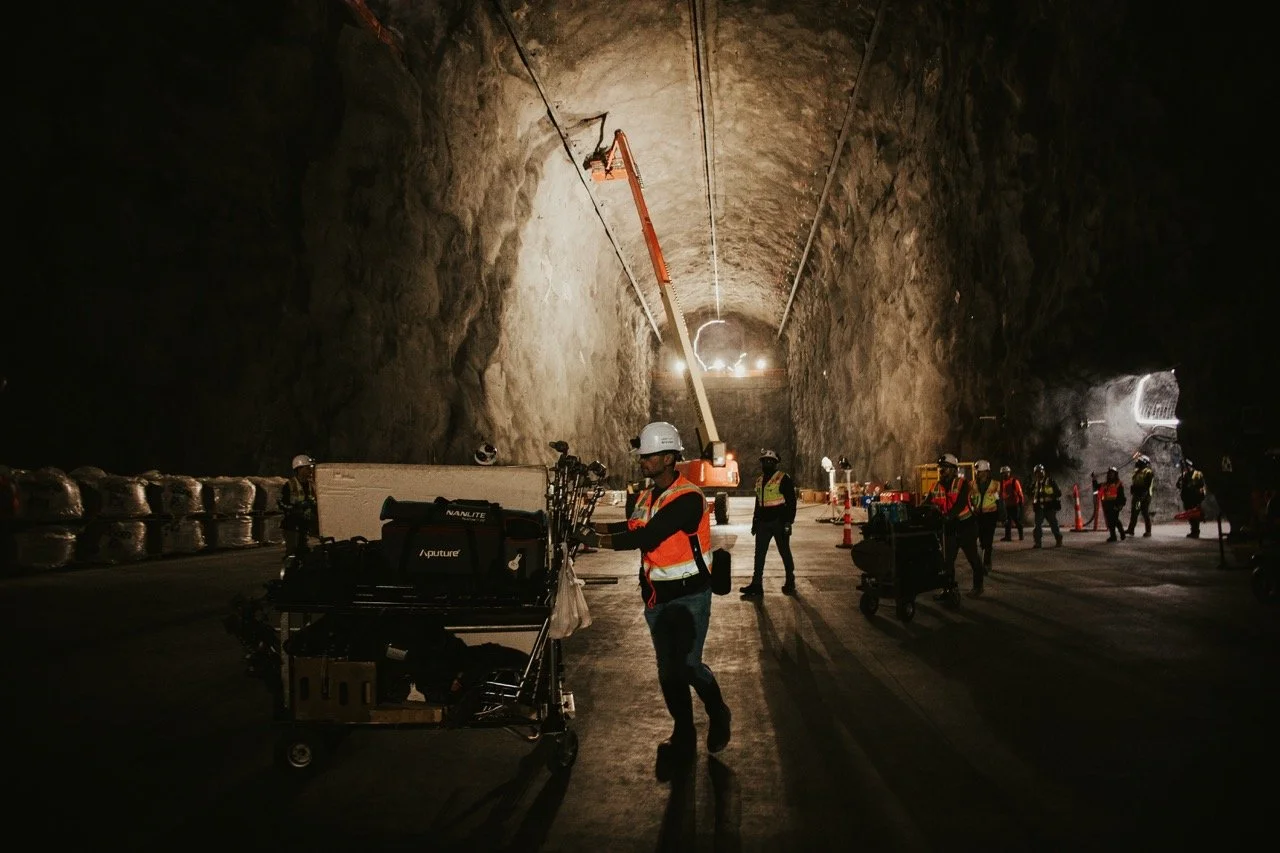
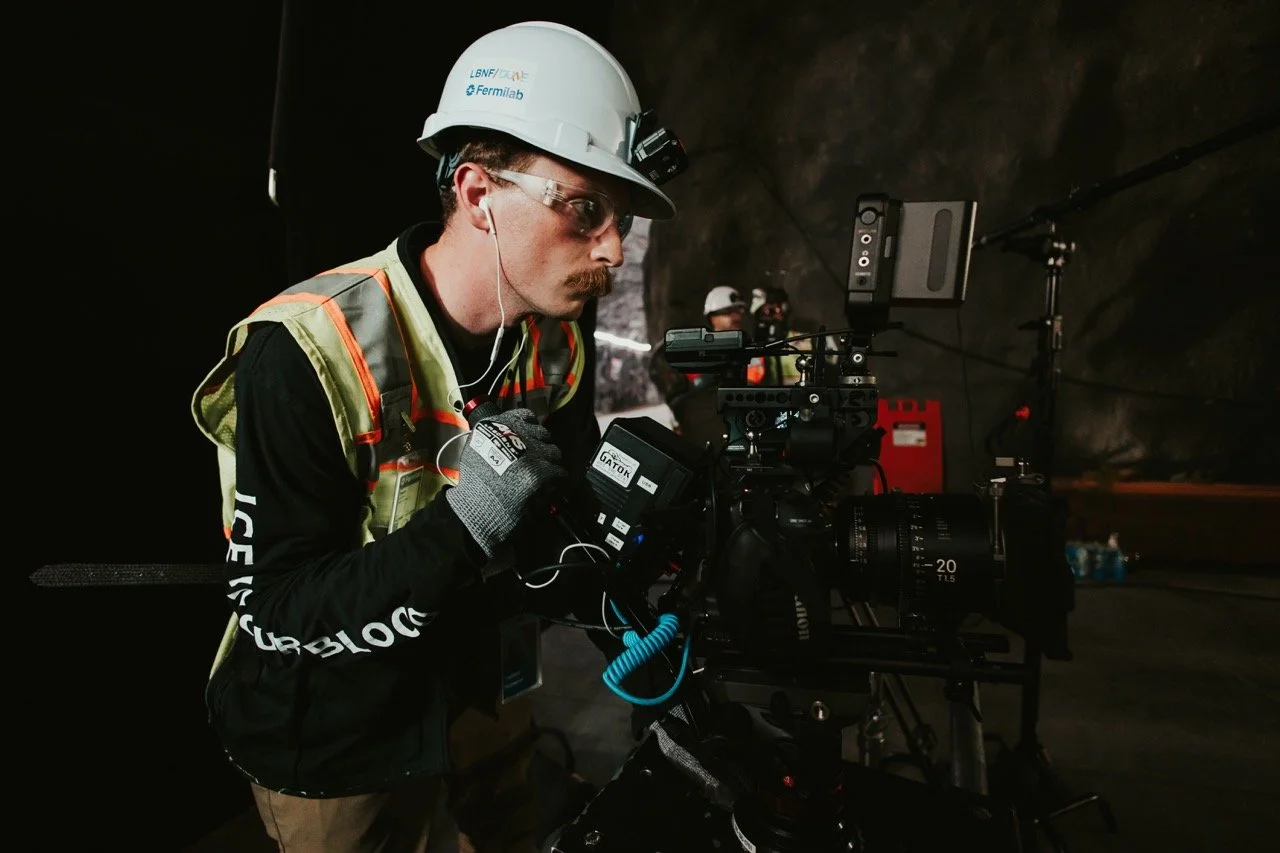
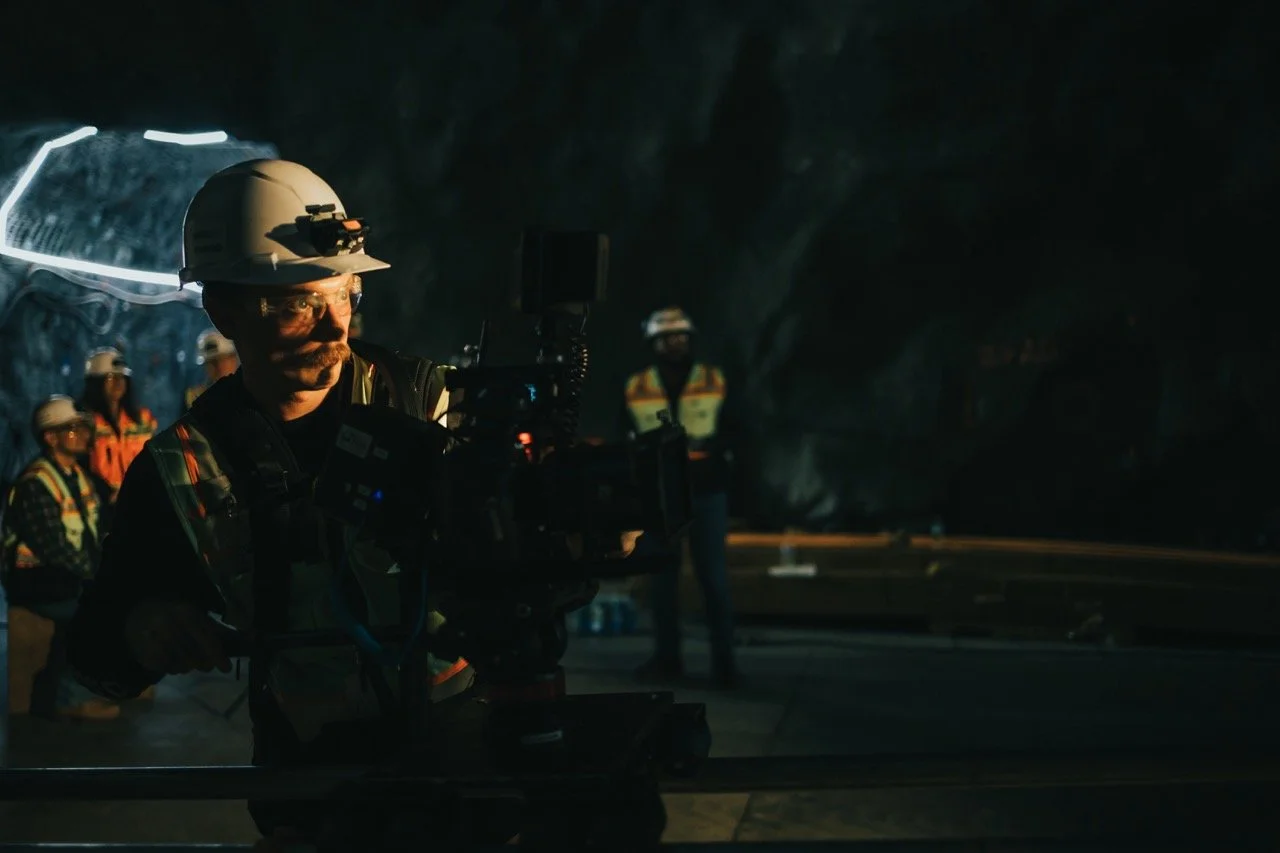
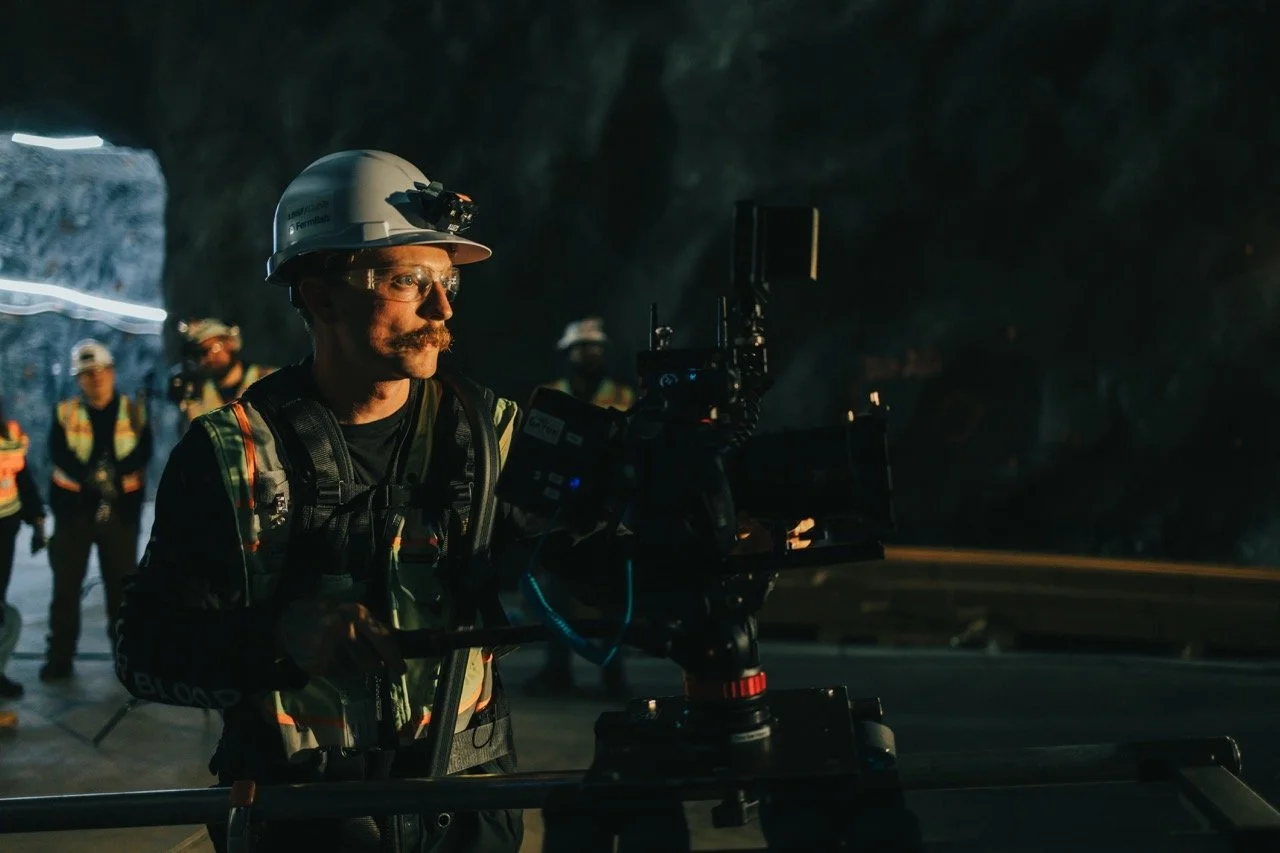
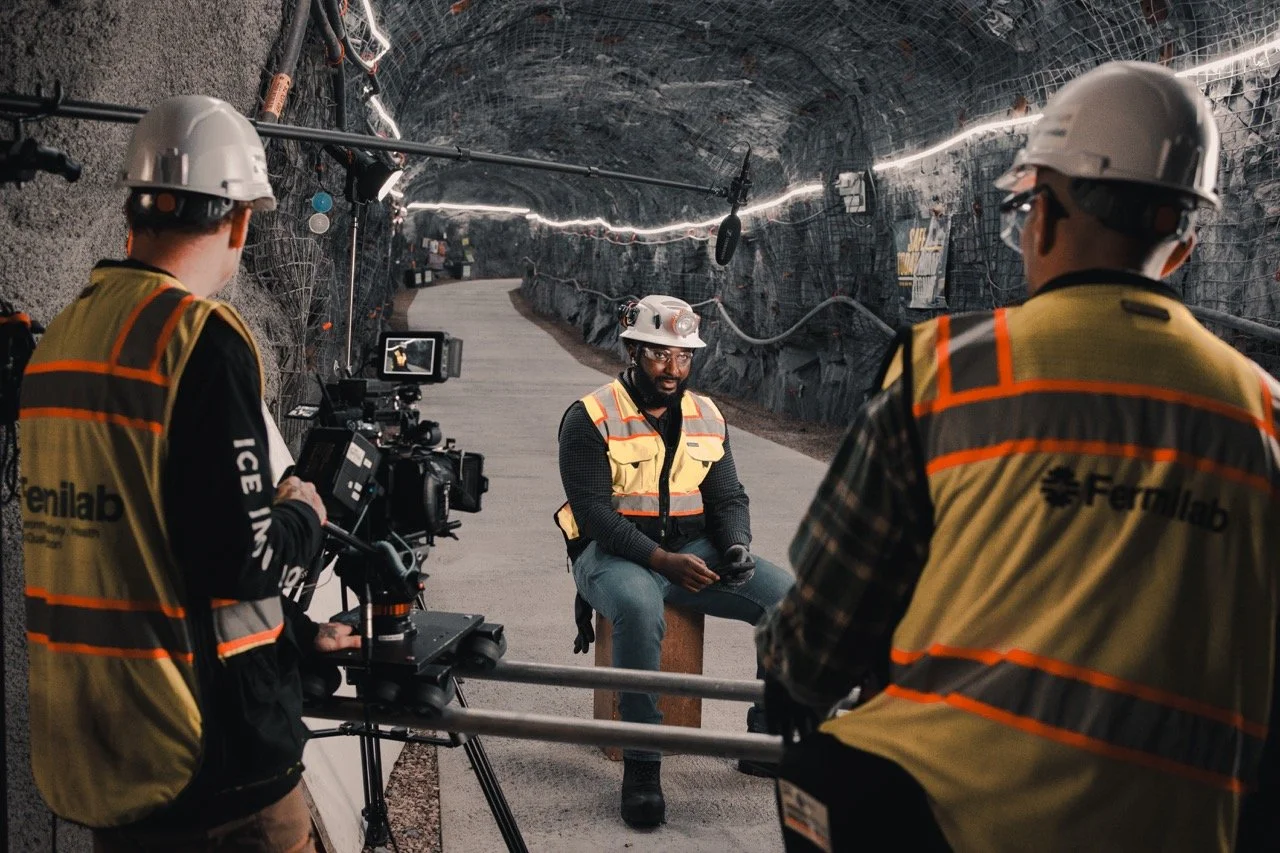
Being a part of this project means more to us than simply producing videos. On a personal level, it's an opportunity to contribute, in our own small way, to something far bigger than ourselves. Every time we descend 4,850 feet underground, we're reminded that we're documenting a moment in history—an international effort to answer some of humanity's biggest questions. Our role may be behind the camera, but the stories we help tell could one day shape how we understand our world, our universe, and why we're here at all.
